
Morton's Neuroma
Morton's Neuroma, also called Intermetatarsal Neuroma or Plantar Neuroma, is a condition that affects the nerves of the feet, usually the area between the third and fourth toe. Neuroma refers to a benign growth that can occur in different parts of the body. Morton's Neuroma strictly affects the feet. This condition causes the tissue around the nerves that lead to the toes becoming thick, causing pain in the ball of the foot.
This condition can be caused by injury, pressure or irritation. Normally no lump will be felt, but instead burning pain in the ball of the foot will be experienced. Numbness and tingling may also occur. With the onset of this condition, a person may feel pain when tight or narrow shoes are worn. As the condition worsens, the pain may persist for days, or even weeks.
Persistent foot pain should always be a concern. The foot should be examined by a podiatrist if pain persists longer than a few days with no relief from changing shoes. The earlier the foot is examined and treated, the less chance there will be for surgical treatment.
There are some factors that can play a role in the development of Morton's Neuroma. These include wearing ill-fitting shoes that cause pressure to the toes, such as high heels. Also, high impact exercise may contribute to the cause of this condition. Morton’s Neuroma may also develop if the foot sustains an injury. Another cause includes walking abnormally due to bunions or flat feet. This causes excessive pressure and irritates the tissue. At times, people are affected for no determinable reason.
Podiatrists can alleviate the effects of this condition using a treatment plan to help decrease the pain and heal the foot tissue. Depending upon the severity of the Morton's Neuroma, the treatment plan can vary. For cases that are mild to moderate, treatments may include applying padding to the arch to relieve pressure from the nerve and reduce compression while walking. Ice packs can also help reduce swelling. The podiatrist may also create a custom orthotic device to support the foot and reduce compression and pressure on the affected nerve. The doctor will probably advise against partaking in activities that cause constant pressure on the affected area. They may provide wider shoes to ease the pressure from the toes. If these treatments do not relieve the symptoms of this condition, the doctor may use injection therapy.
Surgical treatment may be recommended by the podiatrist if all other treatments fail to provide relief. Normally, the podiatric surgeon will decide on either a surgical procedure that involves removal of the affected nerve or will choose surgery to release the nerve. After examination, the surgeon will decide on the best approach to treat the problem.
Recovery varies according to the type of surgical procedure. The patient will also be instructed on the best shoe wear to prevent the return of this condition, along with changes to workout routines, if this was a cause. Preventative measures are important in ensuring the condition does not return.
Surgical Options for Hammertoe
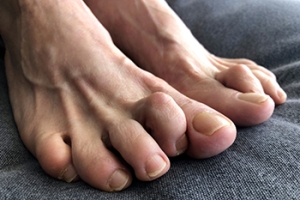
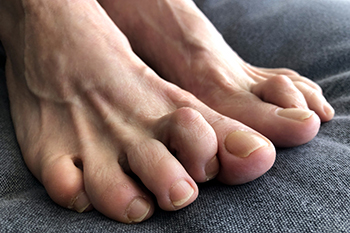
Hammertoe, a toe deformity resembling a hammer, can be a source of discomfort and mobility issues. While non-surgical treatments are often the first line of defense, surgical options become necessary when the condition is unresponsive to conservative measures, or if it reaches an advanced stage. The hallmark symptom of hammertoe is the upward bend in the middle toe joint, which, if left untreated, can lead to pain, blisters, calluses, or corns. When the discomfort becomes severe, surgical intervention may be recommended by your podiatrist. One common surgical approach is tendon lengthening, where the surgeon extends the tendon in the affected toe to enhance flexibility. This procedure aims to restore a more natural position to the toe and alleviate associated pain. Tendon transfer is another surgical option. In this procedure, part of a tendon from the bottom of the toe is moved to the top, enhancing flexibility and promoting a healthier range of motion in the toe. For cases where stability is compromised, joint fusion may be recommended. During this surgery, metal pins or screws are inserted into the toes, creating internal immobilization. Recovery periods may vary, and following postoperative instructions care is essential for the best results. To determine the most suitable surgical option based on the specifics of your hammertoe, it is suggested that you discuss the matter with a podiatrist.
Hammertoes can be a painful condition to live with. For more information, contact Mohammad R. Parsa, DPM of Madison Foot Clinic. our doctor will answer any of your foot- and ankle-related questions.
Hammertoe
Hammertoe is a foot deformity that occurs due to an imbalance in the muscles, tendons, or ligaments that normally hold the toe straight. It can be caused by the type of shoes you wear, your foot structure, trauma, and certain disease processes.
Symptoms
- Painful and/or difficult toe movement
- Swelling
- Joint stiffness
- Calluses/Corns
- Physical deformity
Risk Factors
- Age – The risk of hammertoe increases with age
- Sex – Women are more likely to have hammertoe compared to men
- Toe Length – You are more likely to develop hammertoe if your second toe is longer than your big toe
- Certain Diseases – Arthritis and diabetes may make you more likely to develop hammertoe
Treatment
If you have hammertoe, you should change into a more comfortable shoe that provides enough room for your toes. Exercises such as picking up marbles may strengthen and stretch your toe muscles. Nevertheless, it is important to seek assistance from a podiatrist in order to determine the severity of your hammertoe and see which treatment option will work best for you.
If you have any questions, please feel free to contact our office located in Madison, MS . We offer the newest diagnostic and treatment technologies for all your foot care needs.
Hammertoe
Hammertoe is a foot deformity that occurs due to an imbalance in the tendons, muscles, or ligaments that are responsible for holding the toes in their normal position. This condition may be caused by poor footwear, foot structure, trauma, and disease. The most common solution for hammertoe is to relieve the pain by changing your footwear and wearing orthotics. In severe cases, surgery may be required.
The shoes that are most likely to cause hammertoe are high heeled shoes or shoes that are too tight in the toe box. Tight shoes will force your toes to crowd together in a curled position. This position will likely continue when you take your shoes off. Another cause is trauma. When you stub your toe, you are increasing the chance that you will develop hammertoe.
There are risk factors that may make you more likely to develop this condition. Women are more likely to have the condition compared to men, and it is also more likely to appear in those who are older in age.
Many different foot problems can be avoided by wearing shoes that have adjustability, adequate toe room, and low heels. Furthermore, if you want to buy new shoes, you should look to purchase them at the end of the day and make sure you know your correct size. The importance of buying shoes at the end of the day is that your feet swell as the day progresses. You should also ensure that you are wearing your correct size because your shoe size may change as you grow older.
To diagnose someone with hammertoe, your podiatrist will need to conduct a thorough examination of your foot. Your doctor may even order an x-ray to evaluate the bones and joints of your feet and toes.
If you have hammertoe, your podiatrist may recommend that you wear shoes that fit you better along with inserts to place inside them. Additionally, he or she may suggest special exercises for you to perform to stretch your toes. One helpful exercise it to pick up marbles with your feet or crumple a towel with your toes.
Prior to meeting with your podiatrist, it will be helpful to make a list of all the symptoms you are experiencing. You should also make a note of medications you are taking and important personal information about your medical history.
Heel Pain Can Be Treated!


Do you suffer from heel pain when you get up in the morning? If so, you should seek professional help and have a proper diagnosis performed. Heel pain can be caused by several different foot-related conditions.
What is Plantar Fasciosis?
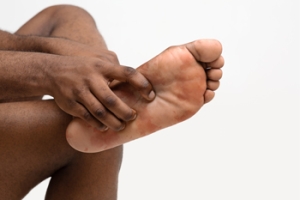
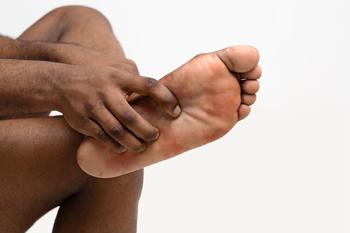
Pain on the bottom of the foot, particularly in the heel area, may be caused by plantar fasciosis, a condition often mistaken for plantar fasciitis. Unlike the latter, plantar fasciosis is characterized by repetitive stress on the plantar fascia rather than inflammation. Plantar fasciosis can develop due to a sedentary lifestyle, wearing high-heeled shoes, or having abnormal foot arches. Tight calf muscles or Achilles tendons also may contribute, and for that reason plantar fasciosis is common among runners, dancers, and anyone with poor foot posture. A sudden increase in activity or a shift to wearing less supportive footwear such as sandals, are other causes. The main symptom of plantar fasciosis is intense heel pain, particularly when first bearing weight in the morning or after periods of rest. A proper diagnosis involves a thorough examination of the foot and may include imaging tests. Understanding the difference between plantar fasciosis and plantar fasciitis is key to effective management of this type of pain. If you are grappling with persistent heel pain, it is suggested that you schedule an appointment with a podiatrist for a diagnosis and the appropriate treatment options.
Many people suffer from bouts of heel pain. For more information, contact Mohammad R. Parsa, DPM of Madison Foot Clinic. our doctor can provide the care you need to keep you pain-free and on your feet.
Causes of Heel Pain
Heel pain is often associated with plantar fasciitis. The plantar fascia is a band of tissues that extends along the bottom of the foot. A rip or tear in this ligament can cause inflammation of the tissue.
Achilles tendonitis is another cause of heel pain. Inflammation of the Achilles tendon will cause pain from fractures and muscle tearing. Lack of flexibility is also another symptom.
Heel spurs are another cause of pain. When the tissues of the plantar fascia undergo a great deal of stress, it can lead to ligament separation from the heel bone, causing heel spurs.
Why Might Heel Pain Occur?
- Wearing ill-fitting shoes
- Wearing non-supportive shoes
- Weight change
- Excessive running
Treatments
Heel pain should be treated as soon as possible for immediate results. Keeping your feet in a stress-free environment will help. If you suffer from Achilles tendonitis or plantar fasciitis, applying ice will reduce the swelling. Stretching before an exercise like running will help the muscles. Using all these tips will help make heel pain a condition of the past.
If you have any questions please contact our office located in Madison, MS . We offer the newest diagnostic and treatment technologies for all your foot and ankle needs.
Heel Pain
Have you ever gotten up from a chair or out of bed in the morning, and upon taking that first step, feel like your heel has stepped on a tack? Many people experience a feeling of sharp pain which radiates into their arch from their heel and which does not allow them to put their heel on the floor. Sometimes they need to sit back down, stand only on their toes and use the wall for balance. If you can take a few steps, it seems to go away and lessen, allowing you to then resume your activity. Later, throughout your day and after a period of rest, it can happen again. If this sounds familiar you may be suffering from your first attack of heel pain.
Heel pain is a debilitating condition that affects day to day activities. Running and walking both causes stress on the heel because the heel is the part of the foot that hits the ground first. This means that the heel is taking on your entire weight. Diagnosis and treatments for heel pain can be easily found through your podiatrist.
Plantar Fasciitis
One of the main causes of heel pain is a condition known as plantar fasciitis. The plantar fascia is a band of tissue that extends along the bottom of the foot, from the toe to the bottom of the heel. A rip or tear in this ligament can cause inflammation of these tissues, resulting in heel pain. People who do not wear proper fitting shoes are often at risk of developing problems such as plantar fasciitis. Unnecessary stress from ill-fitting shoes, weight change, excessive running, and wearing non-supportive shoes on hard surfaces are all causes of plantar fasciitis.
Achilles Tendonitis
Achilles tendonitis is another cause of heel pain. Similar to plantar fasciitis, inflammation of the Achilles tendon will cause heel pain due to stress fractures and muscle tearing. A lack of flexibility of the ankle and heel is an indicator of Achilles tendonitis. If left untreated, this condition can lead to plantar fasciitis and cause even more pain on your heel.
Heel Spur
A third cause of heel pain is a heel spur. A heel spur occurs when the tissues of the plantar fascia undergo a great deal of stress, leading to a separation of the ligament from the heel bone entirely. This results in a pointed fragment of bone on the ball of the foot, known as a heel spur.
Daily Foot Care Tips for Diabetic Patients
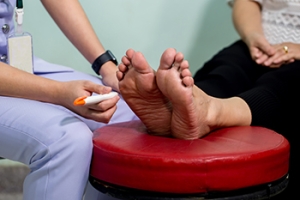
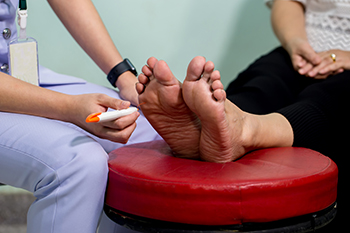
If you have diabetes, prioritizing your foot care plays an essential part in preventing serious complications. A diabetic foot care routine begins by inspecting your feet daily for any signs of trouble such as cuts, redness, swelling, sores, blisters, corns, or calluses. Wash your feet daily in warm water, using a mild soap. Ensure thorough drying, especially between the toes, to prevent moisture related issues. Avoid walking barefoot, even inside your home, to protect your feet from potential injuries and infections. Choose shoes that fit well and provide proper support and protection. Always wear socks to reduce friction and to help in keeping your feet dry. When it comes to toenail care, trim them straight across and smooth out sharp edges with a nail file. Avoid cutting too close to the skin to prevent ingrown toenails. Seek professional help for the removal of corns or calluses, as attempting to do it yourself may lead to complications. Incorporating these simple, yet effective, practices into your daily routine can significantly reduce the risk of foot complications associated with diabetes. Periodic monitoring from a podiatrist is essential to avoiding problems such as foot ulcers. If you have diabetes, regular visits to a podiatrists are recommended.
Diabetic foot care is important in preventing foot ailments such as ulcers. If you are suffering from diabetes or have any other concerns about your feet, contact Mohammad R. Parsa, DPM from Madison Foot Clinic. our doctor can provide the care you need to keep you pain-free and on your feet.
Diabetic Foot Care
Diabetes affects millions of people every year. The condition can damage blood vessels in many parts of the body, especially the feet. Because of this, taking care of your feet is essential if you have diabetes, and having a podiatrist help monitor your foot health is highly recommended.
The Importance of Caring for Your Feet
- Routinely inspect your feet for bruises or sores.
- Wear socks that fit your feet comfortably.
- Wear comfortable shoes that provide adequate support.
Patients with diabetes should have their doctor monitor their blood levels, as blood sugar levels play such a huge role in diabetic care. Monitoring these levels on a regular basis is highly advised.
It is always best to inform your healthcare professional of any concerns you may have regarding your feet, especially for diabetic patients. Early treatment and routine foot examinations are keys to maintaining proper health, especially because severe complications can arise if proper treatment is not applied.
If you have any questions, please feel free to contact our office located in Madison, MS . We offer the newest diagnostic and treatment technologies for all your foot care needs.
The Right Shoes for Restaurant Employees


In the bustling world of restaurant service, the right choice of footwear is not a style statement, it is a vital component of safety and comfort for employees who work on their feet for extended periods. Non-slip shoes top the list of essentials, offering stability on potentially slippery kitchen floors. These shoes, designed with slip-resistant soles, reduce the risk of accidents in fast-paced environments where spills are common. Comfort is equally important, considering the long hours spent standing and moving swiftly. Opting for shoes with adequate arch support and cushioning can alleviate foot fatigue and contribute to overall well-being. Additionally, shoes with closed toes provide an extra layer of protection against spills and falling objects. Prioritizing functionality over fashion ensures that restaurant employees can navigate their demanding work environments with confidence, focusing on delivering excellent service rather than wrestling with uncomfortable or unsafe footwear. If you are a restaurant employee and are seeking information about what type of shoes to wear, it is suggested that you speak with a podiatrist.
While working on the feet, it is important to take the proper care of them. For more information about working on your feet, contact Mohammad R. Parsa, DPM from Madison Foot Clinic. our doctor will treat your foot and ankle needs.
Working on Your Feet
Standing on your feet for long periods of time can cause stress and pain in your feet. Your whole body may experience change in terms of posture, back pain, bunions, callouses and or plantar warts. There are ways to avoid these conditions with proper foot care, smart choices and correct posture.
Positive Changes
Negative heeled shoe – Choosing this shoe type places the heel slightly lower than the ball of the foot. These are great for overall foot health. Find shoes that fit you correctly.
Go barefoot – Our feet were not designed to be enclosed for all hours of the day. Try to periodically expose your feet to air.
Eliminate Pain
Foot Exercises – Performing simple exercises, incorporating yoga and doing stretches are beneficial. This will allow increased blood flow to the area and muscles of the foot.
Achilles tendon – Stretching the foot out flat on the floor will relax the calf muscles and tendon. These exercises can be performed almost anywhere. Make sure you add these exercises to your daily regimen.
With a little bit of this information and knowing more about foot health, you will notice changes. Foot stretches and proper footwear will help with pain and prevent further issues.
If you have any questions please contact our office located in Madison, MS . We offer the newest diagnostic and treatment technologies for all your foot and ankle needs.
Managing Chronic Wounds
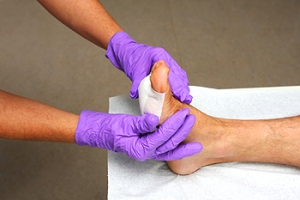
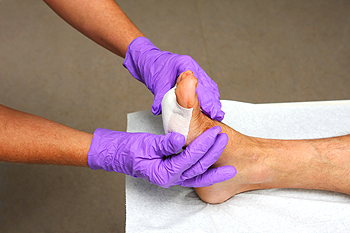
Chronic wounds on the lower legs, feet, and toes demand a specialized approach from podiatrists to ensure optimal healing. The process begins with cleaning of the wound and removing any debris. In cases of traumatic injury, a podiatrist may recommend a tetanus vaccination to prioritize your safety. This foot doctor may surgically remove dead skin and close wounds with stitches or staples. Dressing choices for chronic wounds are critical, often leaning toward moist dressings tailored to specific wound characteristics. Vigilant monitoring for signs of infection is a key responsibility, with prescribed antibiotics and antimicrobial dressings essential for effective control. A thorough review of patient medications and adjusting as needed, is essential for patient safety. Specific wounds like ulcers may require specialized treatments, including antibiotics or skin grafts. In cases where poor blood supply hampers healing, a podiatrist may recommend vascular surgery to improve circulation. If you are experiencing chronic foot wounds, it is suggested that you schedule an appointment with a podiatrist for a comprehensive treatment plan.
Wound care is an important part in dealing with diabetes. If you have diabetes and a foot wound or would like more information about wound care for diabetics, consult with Mohammad R. Parsa, DPM from Madison Foot Clinic. our doctor will assess your condition and provide you with quality foot and ankle treatment.
What Is Wound Care?
Wound care is the practice of taking proper care of a wound. This can range from the smallest to the largest of wounds. While everyone can benefit from proper wound care, it is much more important for diabetics. Diabetics often suffer from poor blood circulation which causes wounds to heal much slower than they would in a non-diabetic.
What Is the Importance of Wound Care?
While it may not seem apparent with small ulcers on the foot, for diabetics, any size ulcer can become infected. Diabetics often also suffer from neuropathy, or nerve loss. This means they might not even feel when they have an ulcer on their foot. If the wound becomes severely infected, amputation may be necessary. Therefore, it is of the upmost importance to properly care for any and all foot wounds.
How to Care for Wounds
The best way to care for foot wounds is to prevent them. For diabetics, this means daily inspections of the feet for any signs of abnormalities or ulcers. It is also recommended to see a podiatrist several times a year for a foot inspection. If you do have an ulcer, run the wound under water to clear dirt from the wound; then apply antibiotic ointment to the wound and cover with a bandage. Bandages should be changed daily and keeping pressure off the wound is smart. It is advised to see a podiatrist, who can keep an eye on it.
If you have any questions please contact our office located in Madison, MS . We offer the newest diagnostic and treatment technologies for all your foot and ankle needs.
Definition and Risk Factors of Gout
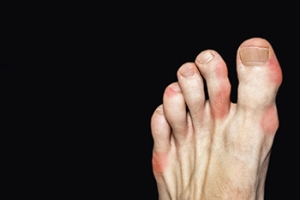
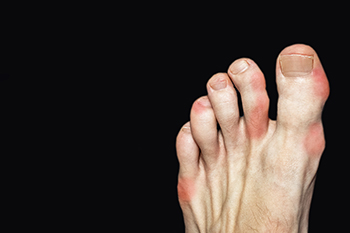
Gout is a form of arthritis characterized by sudden, severe attacks of pain, swelling, redness, and tenderness in the joints. It typically affects the joint at the base of the big toe, but other joints can also be involved. Gout is caused by the buildup of uric acid crystals in the affected joint, which leads to inflammation and excruciating pain. While gout can affect anyone, it predominantly targets men, especially those over the age of 30. Women become more susceptible after menopause. Individuals with a family history of gout are at a higher risk, as genetics can play a significant role. Lifestyle factors such as a diet rich in purine-containing foods that include red meat, seafood, and alcohol, may significantly contribute to developing gout. Additionally, obesity and high blood pressure also increase the likelihood of getting gout. Understanding the definition and risk factors of gout is vital for timely diagnosis and effective management. If you have gout, it is strongly suggested that you are under the care of a podiatrist who can help you to manage this condition, in addition to offering you effective prevention strategies.
Gout is a painful condition that can be treated. If you are seeking treatment, contact Mohammad R. Parsa, DPM from Madison Foot Clinic. our doctor will treat your foot and ankle needs.
What Is Gout?
Gout is a form of arthritis that is characterized by sudden, severe attacks of pain, redness, and tenderness in the joints. The condition usually affects the joint at the base of the big toe. A gout attack can occur at any random time, such as the middle of the night while you are asleep.
Symptoms
- Intense Joint Pain - Usually around the large joint of your big toe, and it most severe within the first four to twelve hours
- Lingering Discomfort - Joint discomfort may last from a few days to a few weeks
- Inflammation and Redness -Affected joints may become swollen, tender, warm and red
- Limited Range of Motion - May experience a decrease in joint mobility
Risk Factors
- Genetics - If family members have gout, you’re more likely to have it
- Medications - Diuretic medications can raise uric acid levels
- Gender/Age - Gout is more common in men until the age of 60. It is believed that estrogen protects women until that point
- Diet - Eating red meat and shellfish increases your risk
- Alcohol - Having more than two alcoholic drinks per day increases your risk
- Obesity - Obese people are at a higher risk for gout
Prior to visiting your podiatrist to receive treatment for gout, there are a few things you should do beforehand. If you have gout you should write down your symptoms--including when they started and how often you experience them, important medical information you may have, and any questions you may have. Writing down these three things will help your podiatrist in assessing your specific situation so that he or she may provide the best route of treatment for you.
If you have any questions, please feel free to contact our office located in Madison, MS . We offer the newest diagnostic and treatment technologies for all your foot care needs.
