
Your feet are covered most of the day. If you're diabetic, periodic screening is important for good health. Numbness is often a sign of diabetic foot and can mask a sore or wound.
Your feet are covered most of the day. If you're diabetic, periodic screening is important for good health. Numbness is often a sign of diabetic foot and can mask a sore or wound.

Cracked heels develop when the skin surrounding the heel becomes dry and begins to split. Shallow cracks can affect only the outer layer of skin and cause little discomfort. Deeper cracks can become painful and sometimes bleed. Dry skin is an important factor because skin that lacks moisture is less flexible and more likely to split under pressure. Aging can contribute because the skin loses moisture more easily as people get older. Athlete’s foot and eczema can also cause dry or irritated skin that increases the chance of heel cracking.
Certain vitamin deficiencies have also been linked with dry, cracked skin. Vitamin E helps protect skin cells and supports healthy skin. Vitamin B-3, also called niacin, helps the body turn food into energy and supports skin health. Severe vitamin B-3 deficiency can cause dry, scaly skin. Vitamin C supports collagen production, which helps give skin structure and strength. A serious vitamin C deficiency can contribute to dry skin and slow wound healing. However, deficiencies of these vitamins are considered rare in developed countries, so cracked heels do not necessarily indicate a nutritional problem.
A podiatrist can examine cracked heels and determine whether another foot or skin problem is contributing to the condition. An evaluation is especially important when cracks are deep, painful, or bleeding. Patients with diabetes or nerve damage should also have cracked heels evaluated because foot wounds can become more serious. A podiatrist can remove thickened skin safely and recommend treatment to protect damaged areas. Care can also address fungal infections or other conditions affecting the skin. Proper treatment can reduce discomfort and help protect the heels from further damage. If you have developed cracked heels, it is suggested that you schedule an appointment with a podiatrist for a diagnosis and appropriate treatment, which may include prescribed medication.
Cracked heels are unsightly and can cause further damage to your shoes and feet. If you have any concerns, contact Mohammad R. Parsa, DPM from Madison Foot Clinic. our doctor can provide the care you need to keep you pain-free and on your feet.
Cracked Heels
Cracked heels appear unappealing and can make it harder for you walk around in sandals. Aside from looking unpleasant, cracked heels can also tear stockings, socks, and wear out your shoes. There are several methods to help restore a cracked heel and prevent further damage.
How Do You Get Them?
Dry skin is the number one culprit in creating cracked heels. Many athletes, walkers, joggers, and even swimmers suffer from cracked heels. Age and skin oil production play a role to getting cracked heels as well.
Promote Healing
Over the counter medicines can help, especially for those that need instant relief or who suffer from chronic dry feet.
Wear Socks – Wearing socks with medicated creams helps lock in moisture.
Moisturizers – Applying both day and night will help alleviate dryness which causes cracking.
Pumice Stones – These exfoliate and remove dead skin, which allows for smoother moisturizer application and better absorption into the skin.
Change in Diet
Eating healthy with a well-balanced diet will give the skin a fresh and radiant look. Your body responds to the kinds of food you ingest. Omega-3 fatty acids and zinc supplements can also revitalize skin tissue.
Most importantly, seek professional help if unsure how to proceed in treating cracked heels. A podiatrist will help you with any questions or information needed.
If you have any questions, please feel free to contact our office located in Madison, MS . We offer the newest diagnostic and treatment technologies for all your foot care needs.
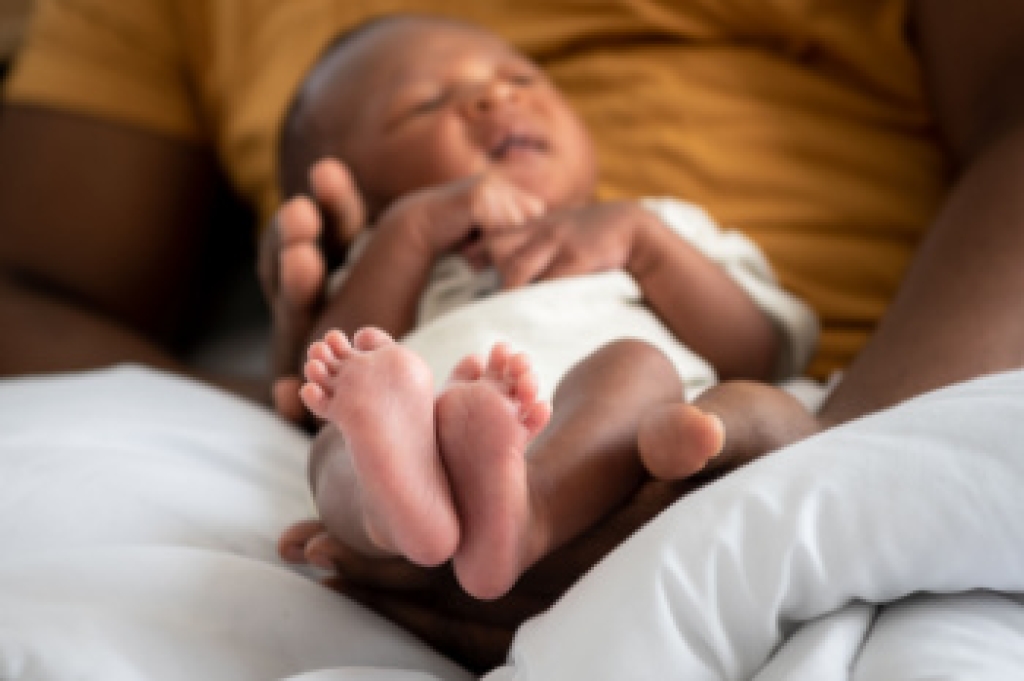
Congenital foot problems are conditions affecting a baby’s feet that are present at birth. Some develop because of the baby’s position before birth, while others involve differences in how the bones, joints, or muscles formed. One example is clubfoot, which causes the foot to turn inward and downward. Another is metatarsus adductus, in which the front half of the foot curves inward. Some newborn foot deformities are flexible, while others are more rigid. The appearance of a baby’s feet does not always indicate the severity of a condition. A professional examination can help determine the type of foot problem and whether treatment is necessary.
Early evaluation is important because a baby’s feet continue to grow and develop quickly. Some congenital foot deformities may improve as the child grows, while others require medical treatment to guide the foot into a better position. The severity and flexibility of the deformity can help determine the appropriate approach. Certain conditions may affect one foot or both feet. Without proper care, more serious deformities may eventually influence standing, walking, or normal foot function. Identifying the condition early allows health care professionals to monitor development and determine whether additional treatment is needed as the child grows.
A podiatrist can evaluate congenital foot problems by examining the shape, position, and movement of a baby’s feet. The examination can help determine whether the foot is flexible or whether structural changes require closer attention. Depending on the diagnosis, podiatric care may involve monitoring development, specialized casting, or coordination with other medical specialists. Treatment decisions are based on the specific deformity and the child’s development. Early podiatric care can help support proper foot alignment and future mobility when treatment is needed. If you notice unusual positioning, shape, or movement in your baby’s feet, it is suggested that you consult a podiatrist for an evaluation and appropriate treatment options.
Congenital foot problems require immediate attention to avoid future complications. If you have any concerns, contact Mohammad R. Parsa, DPM of Madison Foot Clinic. our doctor can provide the care you need to keep you pain-free and on your feet.
Congenital foot problems are deformities affecting the feet, toes, and/or ankles that children are born with. Some of these conditions have a genetic cause while others just happen. Some specific foot ailments that children may be born with include clubfeet, polydactyly/macrodactyly, and cleft foot. There are several other foot anomalies that can occur congenitally. What all of these conditions have in common is that a child may experience difficulty walking or performing everyday activities, as well as trouble finding footwear that fits their foot deformity. Some of these conditions are more serious than others. Consulting with a podiatrist as early as possible will help in properly diagnosing a child’s foot condition while getting the necessary treatment underway.
What are Causes of Congenital Foot Problem?
A congenital foot problem is one that happens to a child at birth. These conditions can be caused by a genetic predisposition, developmental or positional abnormalities during gestation, or with no known cause.
What are Symptoms of Congenital Foot Problems?
Symptoms vary by the congenital condition. Symptoms may consist of the following:
Treatment and Prevention
While there is nothing one can do to prevent congenital foot problems, raising awareness and receiving neonatal screenings are important. Early detection by taking your child to a podiatrist leads to the best outcome possible.
If you have any questions, please feel free to contact our office located in Madison, MS . We offer the newest diagnostic and treatment technologies for all your foot care needs.
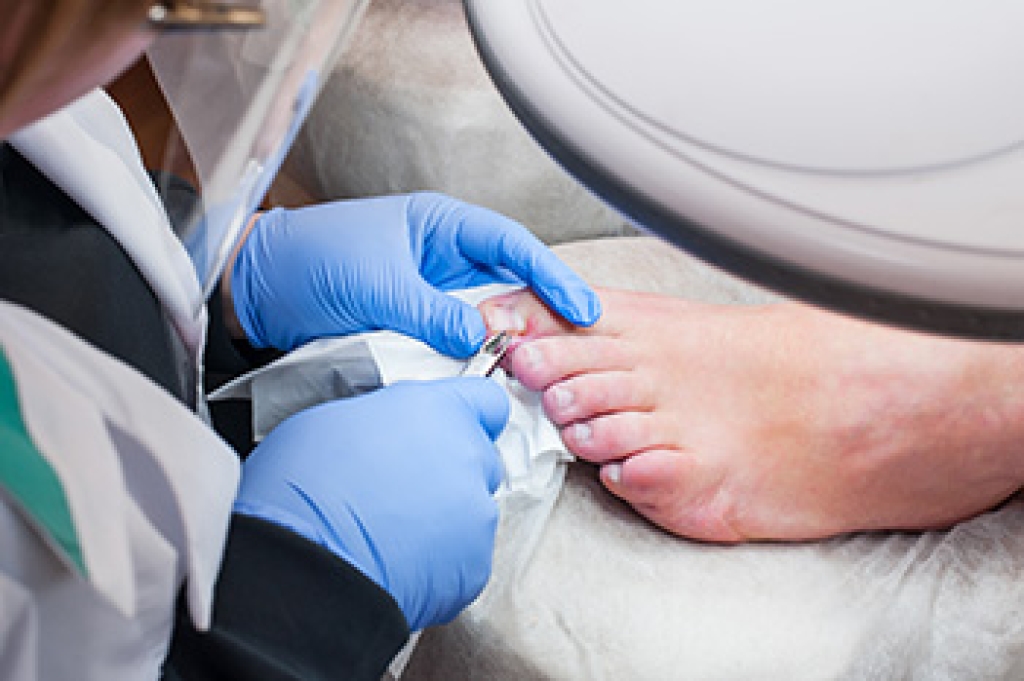
An ingrown toenail develops when the nail edge curves downward and presses into the skin beside it. This can cause pain, redness, and swelling. Drainage can appear when the area becomes infected. The problem affects the big toe and can make shoes uncomfortable. Improper nail trimming is a leading cause. An injury may damage the nail edge and change how it grows. A podiatrist can examine the toe and determine how deeply the nail has entered the skin.
Ingrown toenail removal is a minor procedure used when symptoms are severe, infection is present, or the problem keeps returning. The podiatrist numbs the toe so the patient remains comfortable. A narrow section along the affected side of the nail is then removed. The entire nail usually does not need to be taken off. For a recurring ingrown toenail, the podiatrist can treat the growth area beneath the removed section. This helps stop that part of the nail from growing back. Excess tissue beside the nail can be removed. The toe is cleaned and covered with a bandage after the procedure.
A podiatrist provides instructions for protecting the toe as it heals. Patients can usually return to work or school the following day, although activities that place heavy pressure on the toe must be limited for a short period of time. The bandage protects the area and absorbs drainage. Follow-up care allows the podiatrist to check healing and look for signs of infection. Increasing redness, swelling, or drainage should be reported promptly. Once healing is complete, proper nail care can lower the risk of another ingrown edge. Toenails should be trimmed straight across rather than rounded deeply at the corners. Shoes should also provide enough room for the toes. If you have a painful ingrown toenail, it is suggested that you schedule an appointment with a podiatrist who can determine if this type of foot surgery is right for you.
Ingrown toenails can become painful if they are not treated properly. For more information about ingrown toenails, contact Mohammad R. Parsa, DPM of Madison Foot Clinic. our doctor can provide the care you need to keep you pain-free and on your feet.
Ingrown Toenails
Ingrown toenails occur when a toenail grows sideways into the bed of the nail, causing pain, swelling, and possibly infection.
Causes
Prevention
Wearing proper fitting shoes and using proper cutting techniques will also help decrease your risk of developing ingrown toenails.
Treatment
Ingrown toenails are a very treatable foot condition. In minor cases, soaking the affected area in salt or antibacterial soaps will not only help with the ingrown nail itself, but also help prevent any infections from occurring. In more severe cases, surgery is an option. In either case, speaking to your podiatrist about this condition will help you get a better understanding of specific treatment options that are right for you.
If you have any questions, please feel free to contact our office located in Madison, MS . We offer the newest diagnostic and treatment technologies for all your foot care needs.

Extensor tendonitis is a common foot condition that causes pain along the top of the foot where the extensor tendons are located. These tendons help lift the toes, support foot movement, and maintain proper balance while walking and running. When these tendons become irritated or inflamed from repetitive stress, discomfort and limited mobility can develop. This condition often progresses gradually and may become more difficult to manage if symptoms are ignored.
The most common symptom of extensor tendonitis is pain across the top of the foot that increases during activities such as walking, running, or exercise. Other symptoms may include swelling, tenderness, redness, and occasional bruising. Some individuals experience weakness when lifting their toes or difficulty performing normal daily activities. Wearing shoes that are too tight can place added pressure on the tendons, increasing irritation and delaying recovery.
A major cause of extensor tendonitis is overuse, especially from activities that involve repetitive foot motion. Runners, athletes, and individuals who increase their exercise intensity too quickly may place excessive strain on the extensor tendons. Improper footwear is another common cause, as shoes with a tight toe box or excessive pressure across the top of the foot can restrict movement and contribute to inflammation. Poor foot mechanics, limited flexibility, and inadequate stretching may also increase the risk of developing this condition.
Treatment and prevention focus on reducing stress on the affected tendons and supporting proper foot function. Rest, stretching, wearing supportive footwear, and activity modification can help improve symptoms. Wearing properly fitted shoes with enough room across the top of the foot can reduce unnecessary pressure. Addressing pain early may help prevent chronic discomfort and recurring injury. If you have pain on the top of your foot and want a proper evaluation, it is suggested that you consult a podiatrist for an accurate diagnosis and appropriate treatment.
Foot Pain
Foot pain can be extremely painful and debilitating. If you have a foot pain, consult with Mohammad R. Parsa, DPM from Madison Foot Clinic. our doctor will assess your condition and provide you with quality foot and ankle treatment.
Causes
Foot pain is a very broad condition that could be caused by one or more ailments. The most common include:
Diagnosis
To figure out the cause of foot pain, podiatrists utilize several different methods. This can range from simple visual inspections and sensation tests to X-rays and MRI scans. Prior medical history, family medical history, and any recent physical traumatic events will all be taken into consideration for a proper diagnosis.
Treatment
Treatment depends upon the cause of the foot pain. Whether it is resting, staying off the foot, or having surgery; podiatrists have a number of treatment options available for foot pain.
If you have any questions, please feel free to contact our office located in Madison, MS . We offer the newest diagnostic and treatment technologies for all your foot care needs.
Connect With Us
