An ingrown toenail develops when the nail edge curves downward and presses into the skin beside it. This can cause pain, redness, and swelling. Drainage can appear when the area becomes infected. The problem affects the big toe and can make shoes uncomfortable. Improper nail trimming is a leading cause. An injury may damage the nail edge and change how it grows. A podiatrist can examine the toe and determine how deeply the nail has entered the skin.
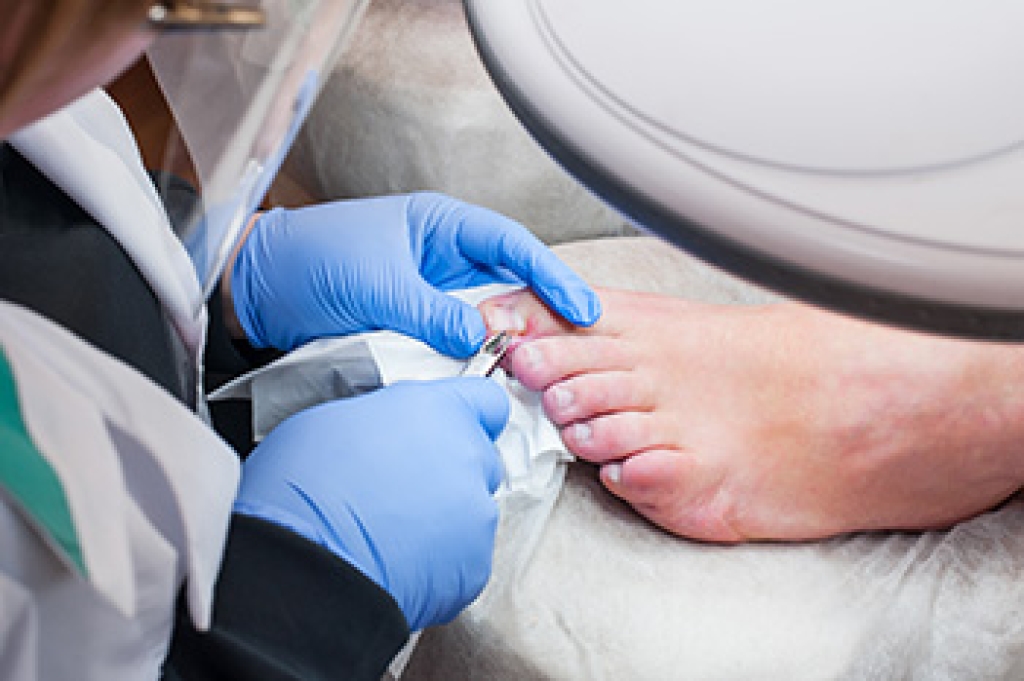
Ingrown toenail removal is a minor procedure used when symptoms are severe, infection is present, or the problem keeps returning. The podiatrist numbs the toe so the patient remains comfortable. A narrow section along the affected side of the nail is then removed. The entire nail usually does not need to be taken off. For a recurring ingrown toenail, the podiatrist can treat the growth area beneath the removed section. This helps stop that part of the nail from growing back. Excess tissue beside the nail can be removed. The toe is cleaned and covered with a bandage after the procedure.
A podiatrist provides instructions for protecting the toe as it heals. Patients can usually return to work or school the following day, although activities that place heavy pressure on the toe must be limited for a short period of time. The bandage protects the area and absorbs drainage. Follow-up care allows the podiatrist to check healing and look for signs of infection. Increasing redness, swelling, or drainage should be reported promptly. Once healing is complete, proper nail care can lower the risk of another ingrown edge. Toenails should be trimmed straight across rather than rounded deeply at the corners. Shoes should also provide enough room for the toes. If you have a painful ingrown toenail, it is suggested that you schedule an appointment with a podiatrist who can determine if this type of foot surgery is right for you.
Ingrown toenails can become painful if they are not treated properly. For more information about ingrown toenails, contact Mohammad R. Parsa, DPM of Madison Foot Clinic. our doctor can provide the care you need to keep you pain-free and on your feet.
Ingrown Toenails
Ingrown toenails occur when a toenail grows sideways into the bed of the nail, causing pain, swelling, and possibly infection.
Causes
- Bacterial infections
- Improper nail cutting such as cutting it too short or not straight across
- Trauma to the toe, such as stubbing, which causes the nail to grow back irregularly
- Ill-fitting shoes that bunch the toes too close together
- Genetic predisposition
Prevention
Wearing proper fitting shoes and using proper cutting techniques will also help decrease your risk of developing ingrown toenails.
Treatment
Ingrown toenails are a very treatable foot condition. In minor cases, soaking the affected area in salt or antibacterial soaps will not only help with the ingrown nail itself, but also help prevent any infections from occurring. In more severe cases, surgery is an option. In either case, speaking to your podiatrist about this condition will help you get a better understanding of specific treatment options that are right for you.
If you have any questions, please feel free to contact our office located in Madison, MS . We offer the newest diagnostic and treatment technologies for all your foot care needs.
