Toe Pain That Leads to Infection

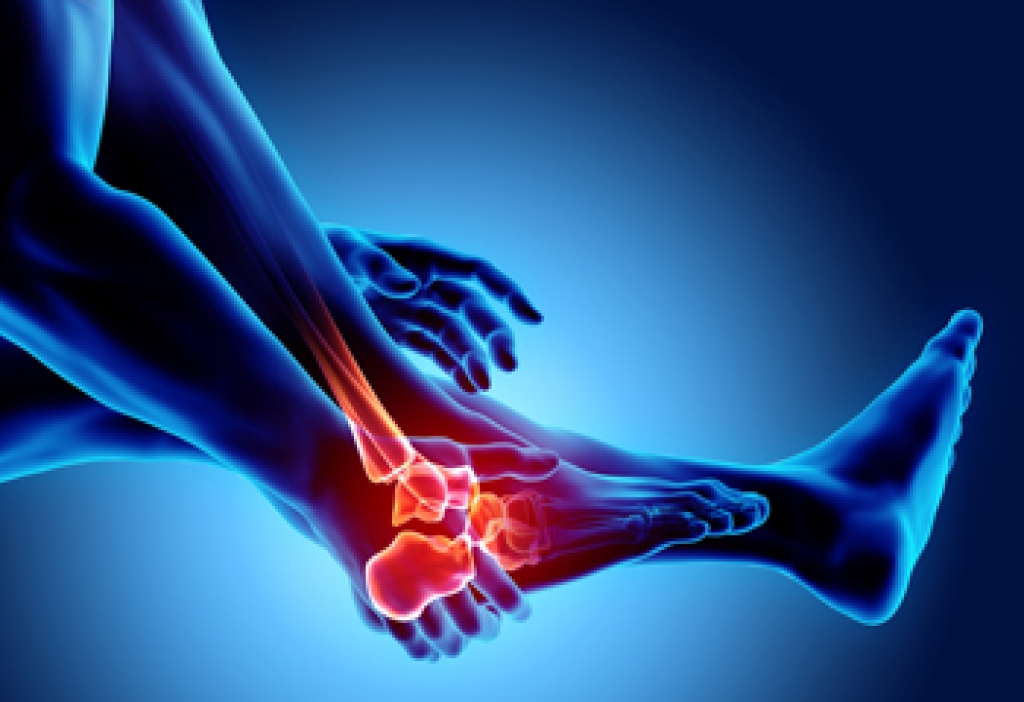
Toe infections can begin when bacteria or fungi enter the skin through small openings, such as cuts, cracks, or irritated nail edges. Common infections include ingrown toenails and fungal nail conditions that affect the nail bed. The area may look red, swollen, and warm, and it can feel tender, sore, or throbbing. Some infections produce drainage, odor, or thickened and discolored nails. Discomfort may increase with walking or pressure from shoes, making daily activity more challenging. Causes often involve improper nail trimming, tight footwear, minor trauma, or damp environments that encourage growth of organisms. A podiatrist can identify the source of the infection and evaluate its severity. Treatment may involve careful cleaning and topical or oral medication. In some cases a minor procedure is needed to relieve pressure or remove affected tissue. If you suspect a toe infection, it is suggested that you make an appointment with a podiatrist.

Toe pain can disrupt your daily activities. If you have any concerns, contact Mohammad R. Parsa, DPM of Madison Foot Clinic. our doctor can provide the care you need to keep you pain-free and on your feet.

What Causes Toe Pain?

Most severe toe pain is caused due to a sports injury, trauma from dropping something heavy on the toe, or bumping into something rigid. Other problems can develop over time for various reasons.

Toe pain can be caused by one or more ailments. The most common include:

  • Trauma
  • Sports injury
  • Wearing shoes that are too tight
  • Arthritis
  • Gout
  • Corns and calluses
  • Hammertoe
  • Bunions
  • Blisters
  • Ingrown toenails
  • Sprains
  • Fractures (broken bones)
  • Dislocations

When to See a Podiatrist

  • Severe pain
  • Persistent pain that lasts more than a week
  • Signs of infection
  • Continued swelling
  • Pain that prevents walking

Diagnosis

In many cases the cause of toe pain is obvious, but in others, a podiatrist may want to use more advanced methods to determine the problem. These can range from simple visual inspections and sensation tests to X-rays and MRI scans. Prior medical history, family medical history, and any recent physical traumatic events will all be taken into consideration for a proper diagnosis.

Treatment

Treatments for toe pain and injuries vary and may include shoe inserts, padding, taping, medicines, injections, and in some cases, surgery. If you believe that you have broken a toe, please see a podiatrist as soon as possible.

If you have any questions please contact our office located in Madison, MS . We offer the newest diagnostic and treatment technologies for all your foot and ankle needs.

Read more about Toe Pain

Understanding Stress Fractures in the Feet

Stress fractures in the feet are small cracks in the bone that develop from repeated strain. They often occur when activity increases quickly or when the foot absorbs repeated impact, such as running or jumping. Pain usually begins gradually and worsens with movement, especially in weight-bearing bones like the long bones of the feet. Stress fractures can be difficult to detect early because swelling and bruising may be mild. A podiatrist can examine the foot, check for tender areas, and order imaging tests such as MRI scans to confirm the diagnosis. Treatment includes reducing stress on the bone and using supportive devices like walking boots, braces, or custom inserts. These help to limit movement and reduce pressure on the injured area as healing continues. Care also includes a guided return to activity to prevent long-term problems. If you have symptoms of a stress fracture after vigorous activity, it is suggested that you make an appointment with a podiatrist for help.

Activities where too much pressure is put on the feet can cause stress fractures. To learn more, contact Mohammad R. Parsa, DPM from Madison Foot Clinic. our doctor can provide the care you need to keep your pain free and on your feet.

Dealing with Stress Fractures of the Foot and Ankle

Stress fractures occur in the foot and ankle when muscles in these areas weaken from too much or too little use.  The feet and ankles then lose support when walking or running from the impact of the ground. Since there is no protection, the bones receive the full impact of each step. Stress on the feet can cause cracks to form in the bones, thus creating stress fractures.

What Are Stress Fractures?

Stress fractures occur frequently in individuals whose daily activities cause great impact on the feet and ankles. Stress factors are most common among:

  • Runners                                
  • People affected with Osteoporosis
  • Tennis or basketball players
  • Gymnasts
  • High impact workouts

Symptoms

Pain from the fractures occur in the area of the fractures and can be constant or intermittent. It will often cause sharp or dull pain with swelling and tenderness. Engaging in any kind of activity which involves high impact will aggravate pain.

If you have any questions please contact our office located in Madison, MS . We offer the newest diagnostic and treatment technologies for all your foot and ankle needs.

Read more about Stress Fractures of the Foot and Ankle

Clubfoot and Early Treatment for Healthy Development

Clubfoot is a congenital condition in which a baby’s foot is twisted out of its normal position, often turning inward and downward. The exact cause is not always known, but it may be related to genetic and environmental factors that affect development before birth. It is typically diagnosed at birth through a physical examination, and sometimes confirmed with imaging. Symptoms include limited range of motion, abnormal foot shape, and difficulty placing the foot flat. The Ponsetti method is a common and effective treatment that involves gentle stretching, casting, and bracing to gradually correct alignment. Risk factors include family history and certain developmental conditions. A podiatrist can help monitor progress and guide care. If your baby shows signs of clubfoot, it is strongly suggested that you include a podiatrist on your health care team to ensure proper development. 

Congenital foot problems require immediate attention to avoid future complications. If you have any concerns, contact Mohammad R. Parsa, DPM of Madison Foot Clinic. our doctor can provide the care you need to keep you pain-free and on your feet.

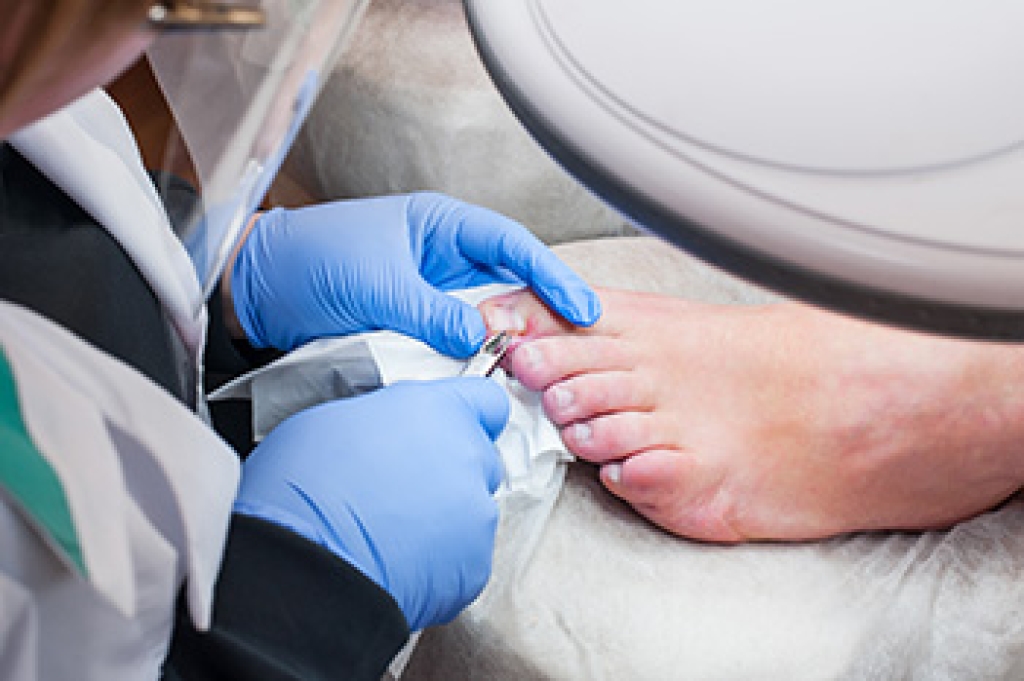
Congenital foot problems are deformities affecting the feet, toes, and/or ankles that children are born with. Some of these conditions have a genetic cause while others just happen. Some specific foot ailments that children may be born with include clubfeet, polydactyly/macrodactyly, and cleft foot. There are several other foot anomalies that can occur congenitally. What all of these conditions have in common is that a child may experience difficulty walking or performing everyday activities, as well as trouble finding footwear that fits their foot deformity. Some of these conditions are more serious than others. Consulting with a podiatrist as early as possible will help in properly diagnosing a child’s foot condition while getting the necessary treatment underway.

What are Causes of Congenital Foot Problem?

A congenital foot problem is one that happens to a child at birth. These conditions can be caused by a genetic predisposition, developmental or positional abnormalities during gestation, or with no known cause.

What are Symptoms of Congenital Foot Problems?

Symptoms vary by the congenital condition. Symptoms may consist of the following:

  • Clubfoot, where tendons are shortened, bones are shaped differently, and the Achilles tendon is tight, causing the foot to point in and down. It is also possible for the soles of the feet to face each other.
  • Polydactyly, which usually consists of a nubbin or small lump of tissue without a bone, a toe that is partially formed but has no joints, or an extra toe.
  • Vertical talus, where the talus bone forms in the wrong position causing other bones in the foot to line up improperly, the front of the foot to point up, and the bottom of the foot to stiffen, with no arch, and to curve out.
  • Tarsal coalition, when there is an abnormal connection of two or more bones in the foot leading to severe, rigid flatfoot.
  • Cleft foot, where there are missing toes, a V-shaped cleft, and other anatomical differences.
  • Macrodactyly, when the toes are abnormally large due to overgrowth of the underlying bone or soft tissue.

Treatment and Prevention

While there is nothing one can do to prevent congenital foot problems, raising awareness and receiving neonatal screenings are important. Early detection by taking your child to a podiatrist leads to the best outcome possible.

If you have any questions, please feel free to contact our office located in Madison, MS . We offer the newest diagnostic and treatment technologies for all your foot care needs.

Read more about Congenital Foot Problems

Understanding the Plantar Calcaneal Spur

A plantar calcaneal spur, often referred to as a heel spur, is a small bony projection that forms on the underside of the heel bone. It often develops over time as the body responds to repeated strain where the plantar fascia attaches to the heel. This added bone growth may or may not cause pain, but when symptoms are present, they are commonly felt with the first steps after rest or during prolonged standing. The discomfort is often linked more to irritation of the surrounding soft tissue than the spur itself. Evaluation focuses on identifying the source of strain and how the foot functions during movement. Treatment may include wearing supportive footwear, cushioning, stretching, and custom orthotics to reduce pressure on the heel. Addressing contributing factors early can help limit ongoing irritation and improve comfort. If heel pain is affecting your daily routine, it is suggested that you see a podiatrist for a proper diagnosis and appropriate treatment.

Heel spurs can be incredibly painful and sometimes may make you unable to participate in physical activities. To get medical care for your heel spurs, contact Mohammad R. Parsa, DPM from Madison Foot Clinic. our doctor will do everything possible to treat your condition.

Heels Spurs

Heel spurs are formed by calcium deposits on the back of the foot where the heel is. This can also be caused by small fragments of bone breaking off one section of the foot, attaching onto the back of the foot. Heel spurs can also be bone growth on the back of the foot and may grow in the direction of the arch of the foot.

Older individuals usually suffer from heel spurs and pain sometimes intensifies with age. One of the main condition's spurs are related to is plantar fasciitis.

Pain

The pain associated with spurs is often because of weight placed on the feet. When someone is walking, their entire weight is concentrated on the feet. Bone spurs then have the tendency to affect other bones and tissues around the foot. As the pain continues, the feet will become tender and sensitive over time.

Treatments

There are many ways to treat heel spurs. If one is suffering from heel spurs in conjunction with pain, there are several methods for healing. Medication, surgery, and herbal care are some options.

If you have any questions, please feel free to contact our office located in Madison, MS . We offer the newest diagnostic and treatment technologies for all your foot care needs.

Read more about Heel Spurs

Do Your Child's Feet Hurt?

Have your child's feet been examined lately? Healthy feet are happy feet. If your child is complaining of foot pain, it may be a sign of underlying problems.

Connect With Us

scroll to top