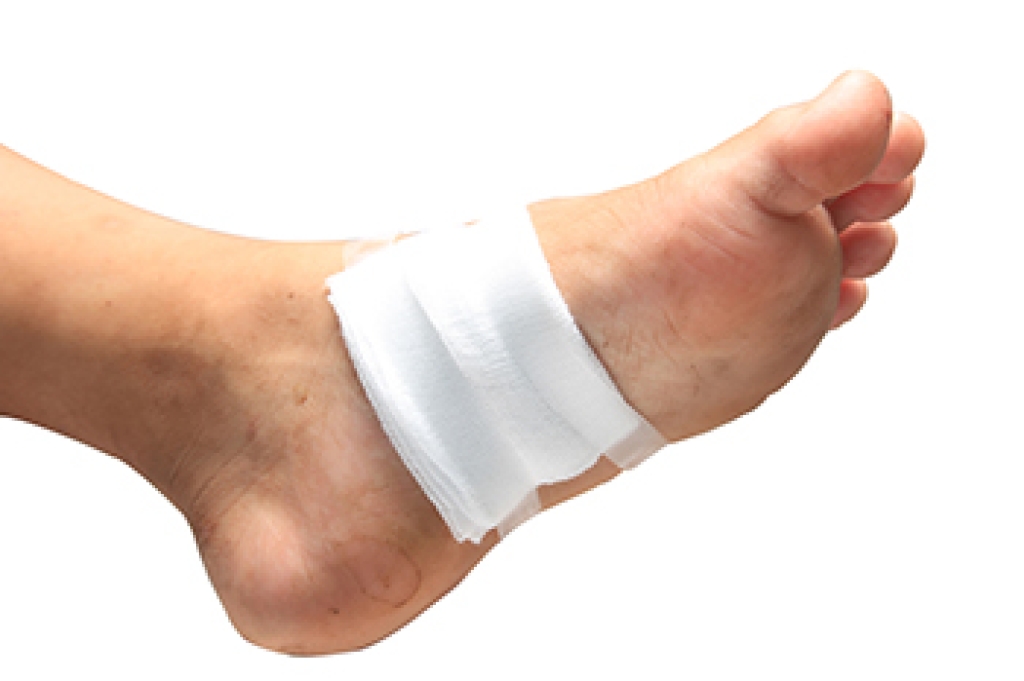
Stepping on a sharp object can leave a tiny opening that hides a deeper injury. A puncture wound forms when an object pierces the skin, creating a narrow path into the foot. Unlike a cut, it does not usually leave a long surface tear. Nails, glass, and wood splinters are frequent causes. The object might also push dirt or pieces of a sock into deeper tissue. Even a wound that bleeds very little requires attention. Its appearance does not reveal how far the object traveled or whether material remains inside. Prompt assessment by a podiatrist helps identify damage before complications become more serious.
The risk of infection depends partly on the foot wound's depth and the material that entered it. An object that passes through a shoe might carry shoe fragments and bacteria into the foot. A retained fragment can cause ongoing pain or a persistent lump. Infection sometimes spreads into a nearby bone or joint. People with diabetes or poor circulation face greater risks because wounds may heal slowly. Reduced feeling in the feet also makes injuries easier to miss. Increasing pain, redness, or swelling warrants prompt medical attention. Fever or rapidly spreading redness requires urgent evaluation, even when the opening looks small.
A podiatrist examines the entry site and asks when and how the injury happened. Knowing whether the object passed through a shoe helps guide the evaluation. The exam assesses circulation, feeling, and tenderness around the wound. The podiatrist also looks for signs of deeper damage. X-rays help locate certain objects and assess bone injury. Other imaging tests help detect materials that do not appear clearly on X-rays. Podiatric treatment includes thorough cleaning and removal of trapped material. The podiatrist removes damaged tissue when necessary and selects an appropriate dressing. Reviewing tetanus vaccination history helps determine whether additional protection is necessary.
Follow-up visits allow the podiatrist to check healing and identify infection that appears after the initial examination. A surface opening can close while a deeper problem remains. Continued tenderness or returning pain requires another assessment, particularly when walking becomes difficult. The podiatrist may recommend a protective device to reduce pressure on the injured area. More extensive treatment addresses deep infection or damage to nearby structures. Early evaluation supports safer healing and reduces the chance of lasting foot pain. Arrange for prompt professional attention after the injury rather than waiting for symptoms to worsen. If you have sustained a puncture wound on the foot, it is suggested that you promptly schedule an appointment with a podiatrist for effective relief and treatment techniques.
Wound care is an important part in dealing with diabetes. If you have diabetes and a foot wound or would like more information about wound care for diabetics, consult with Mohammad R. Parsa, DPM from Madison Foot Clinic. our doctor will assess your condition and provide you with quality foot and ankle treatment.
What Is Wound Care?
Wound care is the practice of taking proper care of a wound. This can range from the smallest to the largest of wounds. While everyone can benefit from proper wound care, it is much more important for diabetics. Diabetics often suffer from poor blood circulation which causes wounds to heal much slower than they would in a non-diabetic.
What Is the Importance of Wound Care?
While it may not seem apparent with small ulcers on the foot, for diabetics, any size ulcer can become infected. Diabetics often also suffer from neuropathy, or nerve loss. This means they might not even feel when they have an ulcer on their foot. If the wound becomes severely infected, amputation may be necessary. Therefore, it is of the upmost importance to properly care for any and all foot wounds.
How to Care for Wounds
The best way to care for foot wounds is to prevent them. For diabetics, this means daily inspections of the feet for any signs of abnormalities or ulcers. It is also recommended to see a podiatrist several times a year for a foot inspection. If you do have an ulcer, run the wound under water to clear dirt from the wound; then apply antibiotic ointment to the wound and cover with a bandage. Bandages should be changed daily and keeping pressure off the wound is smart. It is advised to see a podiatrist, who can keep an eye on it.
If you have any questions please contact our office located in Madison, MS . We offer the newest diagnostic and treatment technologies for all your foot and ankle needs.
