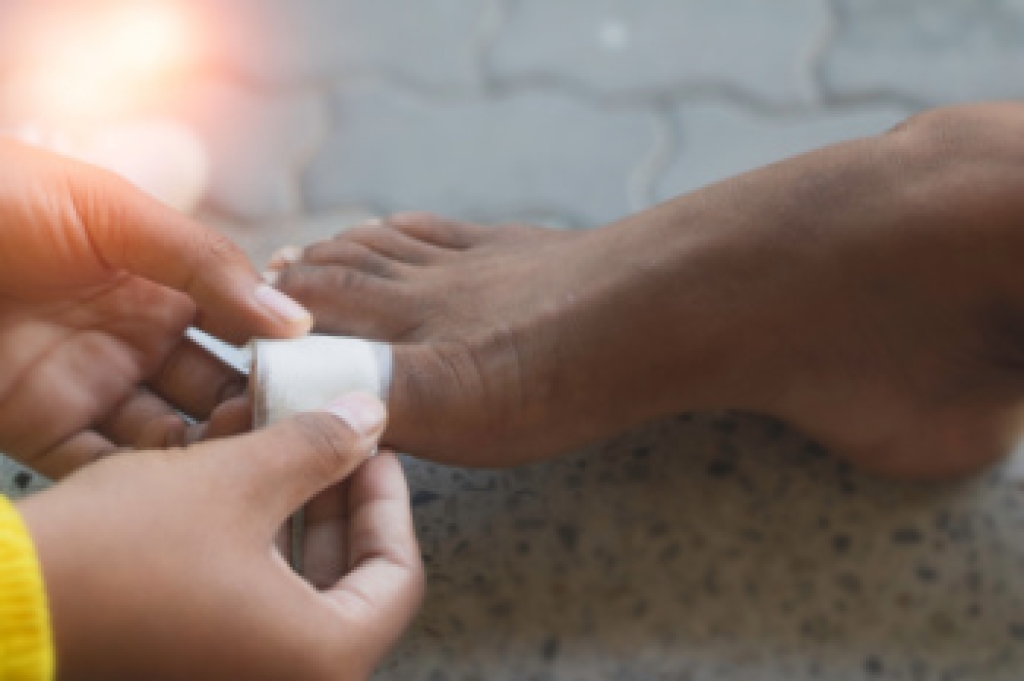
A blister is a raised pocket of fluid that forms when the upper layers of skin separate. On the feet, repeated friction is the leading cause. Shoes that are too tight, loose, or stiff can rub the skin. Heat and moisture can make this rubbing worse. Blisters frequently develop on the heels, toes, or balls of the feet. Symptoms of foot blisters include tenderness, redness, and a fluid-filled bubble. Although most blisters heal within several days to a week, pressure can delay healing and increase discomfort.
Some people face a greater risk of complications from a foot blister. Diabetes, poor circulation, or reduced feeling in the feet can make a small wound harder to notice and heal. A blister that breaks can invite a bacterial infection. Warning signs of infection include increasing redness, warmth, or swelling. Drainage, worsening pain, and red streaks also require medical attention. A podiatrist can examine blisters that are severe, keep returning, or do not improve. Prompt care is especially important for patients with diabetes or circulation problems, since an untreated infection can threaten tissue and raise the risk of limb loss.
Popping a blister yourself is not recommended. A podiatrist can clean and protect the area, safely draining a large blister while preserving its protective skin, or applying a dressing. The podiatrist can also reduce pressure with padding or custom orthotics. To help prevent new blisters, the podiatrist may assess shoe fit, foot shape, and walking patterns. Recommendations can include wearing well-fitting shoes, moisture-wicking socks, and protective padding for areas that rub. Patients who develop repeated blisters may need an evaluation for a bony prominence or another source of pressure. Addressing the cause can improve comfort and reduce the chance of another blister forming. If you have a painful blister on the foot, it is suggested that you schedule an appointment with a podiatrist for effective relief and prevention tips.
Blisters are prone to making everyday activities extremely uncomfortable. If your feet are hurting, contact Mohammad R. Parsa, DPM of Madison Foot Clinic. our doctor can provide the care you need to keep you pain-free and on your feet.
Foot Blisters
Foot blisters develop as a result of constantly wearing tight or ill-fitting footwear. This happens due to the constant rubbing from the shoe, which can often lead to pain.
What Are Foot Blisters?
A foot blister is a small fluid-filled pocket that forms on the upper-most layer of the skin. Blisters are filled with clear fluid and can lead to blood drainage or pus if the area becomes infected.
How Do Blisters Form?
Blisters on the feet are often the result of constant friction of skin and material, usually by shoe rubbing. Walking in sandals, boots, or shoes that don’t fit properly for long periods of time can result in a blister. Having consistent foot moisture and humidity can easily lead to blister formation.
Prevention & Treatment
It is important to properly care for the affected area in order to prevent infection and ease the pain. Do not lance the blister and use a Band-Aid to provide pain relief. Also, be sure to keep your feet dry and wear proper fitting shoes. If you see blood or pus in a blister, seek assistance from a podiatrist.
If you have any questions, please feel free to contact our office located in Madison, MS . We offer the newest diagnostic and treatment technologies for all your foot care needs.
