Children’s Walking Patterns

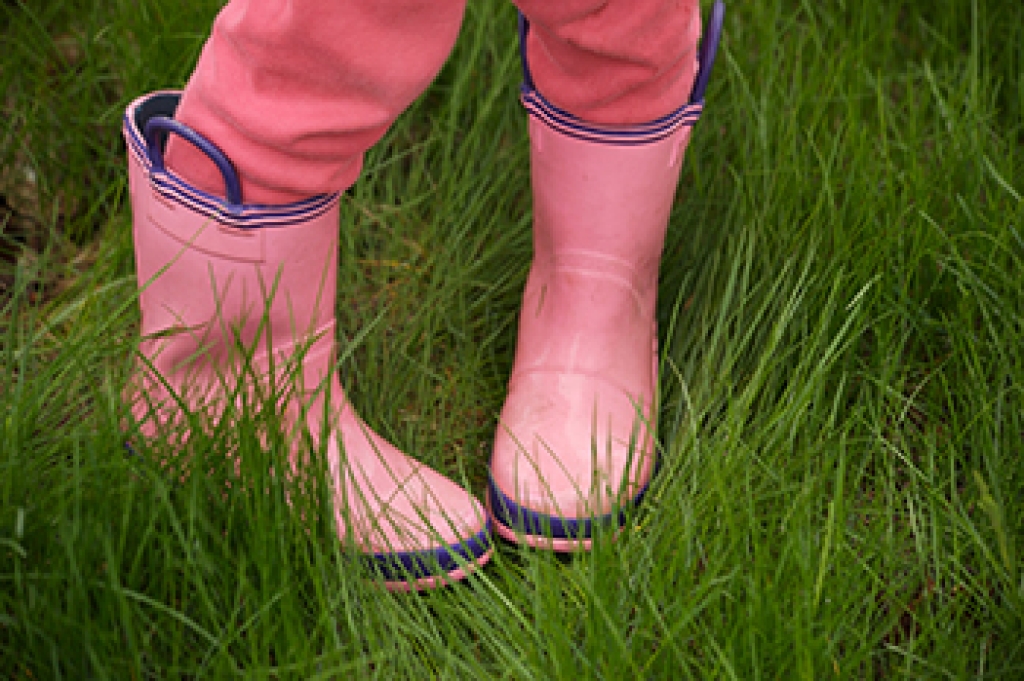
Walking irregularities in children, such as in-toeing, out-toeing, limping, and toe-walking, are fairly common and can result from various developmental factors. These patterns may develop due to natural variations in bone structure as a child grows, such as hip rotation or curved shin bones. Some children may have flat feet, loose ligaments, or muscle imbalances that contribute to unusual walking styles. Genetics, birth conditions, and early habits, like prolonged toe-walking, can also play a role. Many of these irregular walking patterns resolve as children grow and their bones and muscles strengthen. However, if your child experiences pain, frequent tripping, or if the issue persists beyond early childhood, it is suggested that a podiatrist be contacted for an evaluation. Treatment may include stretching exercises or custom orthotics to encourage normal walking patterns, and prevent long-term issues with balance and mobility.

Making sure that your children maintain good foot health is very important as they grow. If you have any questions, contact Mohammad R. Parsa, DPM of Madison Foot Clinic. our doctor can provide the care you need to keep you pain-free and on your feet.

Keeping Children's Feet Healthy

Having healthy feet during childhood can help prevent medical problems later in life, namely in the back and legs. As children grow, their feet require different types of care. Here are some things to consider...

Although babies do not walk yet, it is still very important to take care of their feet.

Avoid putting tight shoes or socks on his or her feet.

Allow the baby to stretch and kick his or her feet to feel comfortable.

As a toddler, kids are now on the move and begin to develop differently. At this age, toddlers are getting a feel for walking, so don’t be alarmed if your toddler is unsteady or ‘walks funny’. 

As your child gets older, it is important to teach them how to take care of their feet.

Show them proper hygiene to prevent infections such as fungus.

Be watchful for any pain or injury.

Have all injuries checked by a doctor as soon as possible.

Comfortable, protective shoes should always be worn, especially at play.

If you have any questions, please feel free to contact our office located in Madison, MS . We offer the newest diagnostic and treatment technologies for all your foot care needs.

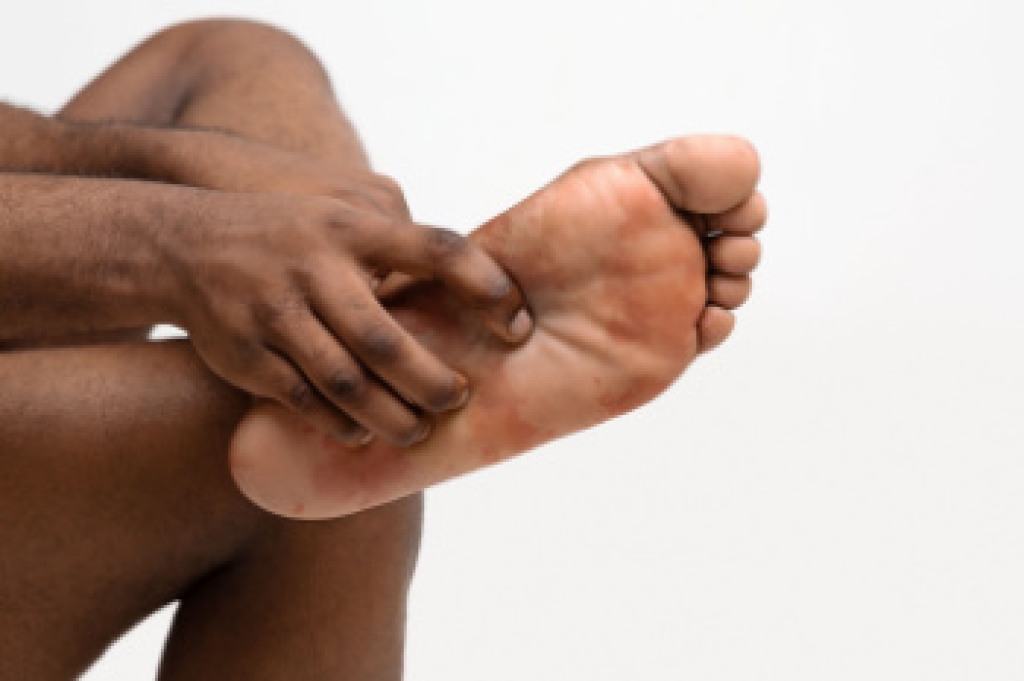
Read more about What to Do to Keep Your Child’s Feet Healthy

Common Musculoskeletal Issues Associated With Zumba

Zumba is a lively and enjoyable way to stay active, but its fast movements and repetitive steps can sometimes lead to musculoskeletal injuries. The feet and ankles are especially at risk since they absorb the impact of jumps, pivots, and quick turns. Common injuries include sprained ankles, heel pain from plantar fasciitis, and stress on the Achilles tendon. The knees may also be affected when improper shoes or surfaces are used. Wearing supportive footwear designed for dance or cross training can reduce the risk of injury by providing stability and cushioning. Warming up before class and incorporating stretching exercises afterward are equally important. Listening to your body and pacing yourself can help prevent overuse. If you develop foot or ankle pain or swelling during Zumba, it is suggested that you schedule an appointment with a podiatrist for a proper evaluation and appropriate care.

Ankle and foot injuries are common among athletes and in many sports. They can be caused by several problems and may be potentially serious. If you are feeling pain or think you were injured in a sporting event or when exercising, consult with Mohammad R. Parsa, DPM from Madison Foot Clinic. our doctor will assess your condition and provide you with quality foot and ankle treatment.

Common Injuries

The most common injuries that occur in sporting activities include:

  • Achilles Tendonitis
  • Achilles Tendon Rupture
  • Ankle Sprains
  • Broken Foot
  • Plantar Fasciitis
  • Stress Fractures
  • Turf Toe

Symptoms

Symptoms vary depending upon the injury and in some cases, there may be no symptoms at all. However, in most cases, some form of symptom is experienced. Pain, aching, burning, bruising, tenderness, tightness or stiffness, sensation loss, difficulty moving, and swelling are the most common symptoms.

Treatment

Just as symptoms vary depending upon the injury, so do treatment options. A common treatment method is known as the RICE method. This method involves rest, applying ice, compression and elevating the afflicted foot or ankle. If the injury appears to be more serious, surgery might be required, such as arthroscopic or reconstructive surgery. Lastly, rehabilitation or therapy might be needed to gain full functionality in the afflicted area. Any discomfort experienced by an athlete must be evaluated by a licensed, reputable medical professional.  

If you have any questions please contact our office located in Madison, MS . We offer the newest diagnostic and treatment technologies for all your foot and ankle needs.

Read more about Sports Related Foot and Ankle Injuries

Signs That You May Have Plantar Fasciitis

Plantar fasciitis is one of the most common causes of heel pain, and develops when the thick band of tissue that supports the arch becomes strained at its attachment to the heel bone. A key sign of plantar fasciitis is sharp pain under the heel when first standing in the morning or after sitting for a while. This pain may ease briefly, but often returns as the day goes on. It can also intensify during the push-off phase of walking or running when the heel lifts from the ground. Some people describe aching, burning, or stabbing sensations along the arch or inner border of the heel. Mild swelling or tenderness at the bottom of the foot can also occur. A podiatrist can examine the foot, review risk factors, and recommend effective treatment options. If you are experiencing symptoms of plantar fasciitis, it is suggested that you schedule an appointment with a podiatrist for an evaluation and appropriate treatment.

Plantar fasciitis can be very painful and inconvenient. If you are experiencing heel pain or symptoms of plantar fasciitis, contact Mohammad R. Parsa, DPM  from Madison Foot Clinic. our doctor can provide the care you need to keep you pain-free and on your feet.

What Is Plantar Fasciitis?

Plantar fasciitis is the inflammation of the thick band of tissue that runs along the bottom of your foot, known as the plantar fascia, and causes mild to severe heel pain.

What Causes Plantar Fasciitis?

  • Excessive running
  • Non-supportive shoes
  • Overpronation
  • Repeated stretching and tearing of the plantar fascia

How Can It Be Treated?

  • Conservative measures – anti-inflammatories, ice packs, stretching exercises, physical therapy, orthotic devices
  • Shockwave therapy – sound waves are sent to the affected area to facilitate healing and are usually used for chronic cases of plantar fasciitis
  • Surgery – usually only used as a last resort when all else fails. The plantar fascia can be surgically detached from the heel

While very treatable, plantar fasciitis is definitely not something that should be ignored. Especially in severe cases, speaking to your doctor right away is highly recommended to avoid complications and severe heel pain. Your podiatrist can work with you to provide the appropriate treatment options tailored to your condition.

If you have any questions, please feel free to contact our office located in Madison, MS . We offer the newest diagnostic and treatment technologies for all your foot care needs.

Read more about Plantar Fasciitis

Reminder: When Was the Last Time...?

Custom orthotics, or shoe inserts, should be periodically replaced. Orthotics must fit properly to give you the best results. Protect your feet and ankles!

Taking Care of Your Athlete’s Foot

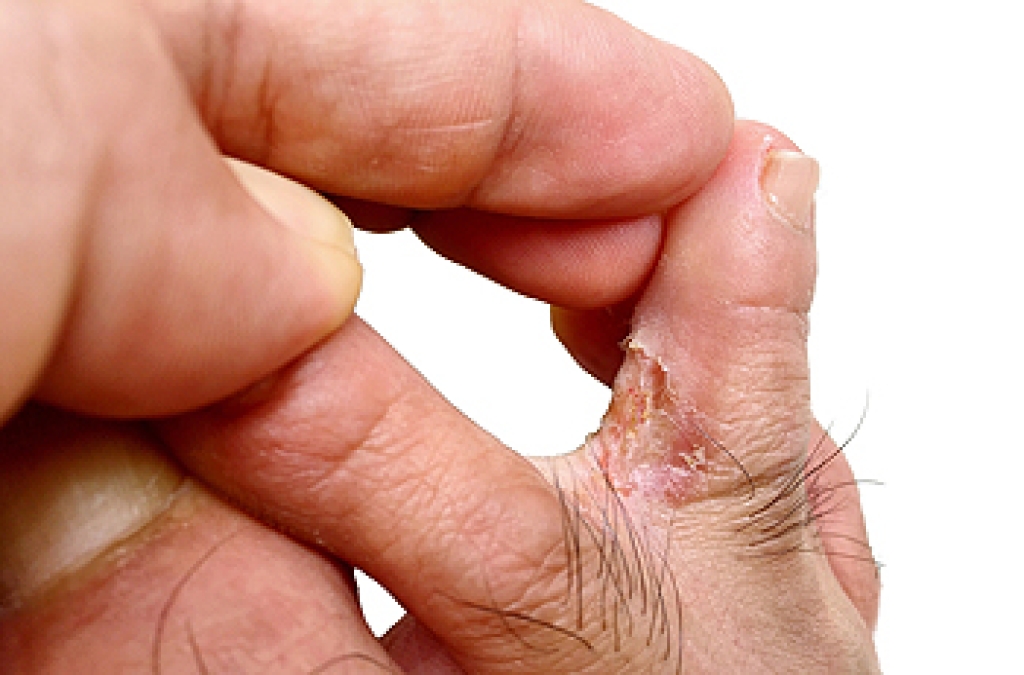
Athlete's foot, or tinea pedis, is a common fungal infection that affects the skin on the feet, especially between the toes. It is caused by fungi that thrive in warm, moist environments, such as locker rooms, public showers, and sweaty shoes. Symptoms include itching, burning, peeling, or cracked skin, and blisters or an unpleasant odor may develop. The condition can spread to other parts of the body, or to others through direct contact or contaminated surfaces. It may feel uncomfortable and become painful if left untreated. A podiatrist can diagnose athlete's foot through a physical exam and possibly a skin scraping to confirm the presence of fungus. Treatment may include topical antifungal creams, oral medications for severe cases, and advice on hygiene and prevention. A podiatrist can also rule out other skin conditions with similar symptoms. If you are experiencing persistent foot irritation or skin changes, it is suggested that you schedule an appointment with a podiatrist for an accurate diagnose and appropriate care.

Athlete’s foot is an inconvenient condition that can be easily reduced with the proper treatment. If you have any concerns about your feet and ankles, contact Mohammad R. Parsa, DPM from Madison Foot Clinic.  our doctor will treat your foot and ankle needs.

Athlete’s Foot: The Sole Story

Athlete's foot, also known as tinea pedis, can be an extremely contagious foot infection. It is commonly contracted in public changing areas and bathrooms, dormitory style living quarters, around locker rooms and public swimming pools, or anywhere your feet often come into contact with other people.

Solutions to Combat Athlete’s Foot

  • Hydrate your feet by using lotion
  • Exfoliate
  • Buff off nails
  • Use of anti-fungal products
  • Examine your feet and visit your doctor if any suspicious blisters or cuts develop

Athlete’s foot can cause many irritating symptoms such as dry and flaking skin, itching, and redness. Some more severe symptoms can include bleeding and cracked skin, intense itching and burning, and even pain when walking. In the worst cases, Athlete’s foot can cause blistering as well. Speak to your podiatrist for a better understanding of the different causes of Athlete’s foot, as well as help in determining which treatment options are best for you.

If you have any questions please feel free to contact our office located in Madison, MS . We offer the newest diagnostic and treatment technologies for all your foot and ankle needs.

Read more about Athlete's Foot

Connect With Us

scroll to top