
What Is a Podiatrist's Job Description?

Podiatrists are medical professionals who play a vital role in foot and ankle health. Their primary focus is diagnosing, treating, and preventing various conditions related to the foot and ankle. From routine checkups to complex surgeries, a podiatrist’s responsibilities encompass a variety of tasks. Podiatrists assess patients' foot and ankle health, conduct thorough examinations, and utilize diagnostic tools to identify issues. They provide personalized treatment plans, including medication, physical therapy, orthotics, and surgical interventions when necessary. As experts in their field, podiatrists are dedicated to ensuring optimal foot health and aiding patients in maintaining mobility, comfort, and overall well-being. If you are interested in pursuing the field of podiatry as a profession, it is suggested that you speak with this type of doctor who can help you make an informed decision about this career choice. 

If you are experiencing pain in the feet or ankles, don’t join the stubborn majority refusing treatment. Feel free to contact Mohammad R. Parsa, DPM from Madison Foot Clinic. our doctor can provide the care you need to keep you pain-free and on your feet.

What Is a Podiatrist?

Someone would seek the care of a podiatrist if they have suffered a foot injury or have common foot ailments such as heal spurs, bunions, arch problems, deformities, ingrown toenails, corns, foot and ankle problems, etc.

Podiatric Treatment

A podiatrist will treat the problematic areas of the feet, ankle or lower leg by prescribing the following:

  • Physical therapy
  • Drugs
  • Orthotic inserts or soles
  • Surgery on lower extremity fractures

A common podiatric procedure a podiatrist will use is a scanner or force plate which will allow the podiatrist to know the designs of orthotics. Patients are then told to follow a series of tasks to complete the treatment. The computer will scan the foot a see which areas show weight distribution and pressure points. The podiatrist will read the analysis and then determine which treatment plans are available.

If you have any questions, please feel free to contact our office located in Madison, MS . We offer the newest diagnostic and treatment technologies for all your foot care needs.

Read more about What is a Podiatrist?

Fascinating Facts About Children’s Feet

As children gleefully skip and run, their feet become the unsung heroes of their adventures. A child’s foot is not fully developed at birth, and will gradually mature as the growing process occurs. Flat feet, often seen in toddlers, emerge as a result of developing arches. The right shoes for tiny feet are paramount, supporting their natural formation. Interestingly, children have more sweat glands per square inch on their feet as compared to adults, making it understandable to crawl or walk without socks. When children’s feet are observed, their evolving balance and coordination skills can be noticed. So, next time you witness a hop, a skip, or a jump, remember, those feet are crafting a tale of growth, exploration, and endless childhood delight. If you would like additional knowledge about children’s feet, it is suggested that you confer with a podiatrist.

Making sure that your children maintain good foot health is very important as they grow. If you have any questions, contact Mohammad R. Parsa, DPM of Madison Foot Clinic. our doctor can provide the care you need to keep you pain-free and on your feet.

Keeping Children's Feet Healthy

Having healthy feet during childhood can help prevent medical problems later in life, namely in the back and legs. As children grow, their feet require different types of care. Here are some things to consider...

Although babies do not walk yet, it is still very important to take care of their feet.

Avoid putting tight shoes or socks on his or her feet.

Allow the baby to stretch and kick his or her feet to feel comfortable.

As a toddler, kids are now on the move and begin to develop differently. At this age, toddlers are getting a feel for walking, so don’t be alarmed if your toddler is unsteady or ‘walks funny’. 

As your child gets older, it is important to teach them how to take care of their feet.

Show them proper hygiene to prevent infections such as fungus.

Be watchful for any pain or injury.

Have all injuries checked by a doctor as soon as possible.

Comfortable, protective shoes should always be worn, especially at play.

If you have any questions, please feel free to contact our office located in Madison, MS . We offer the newest diagnostic and treatment technologies for all your foot care needs.
Read more about What to Do to Keep Your Child’s Feet Healthy

Cuboid Syndrome and Its Treatment

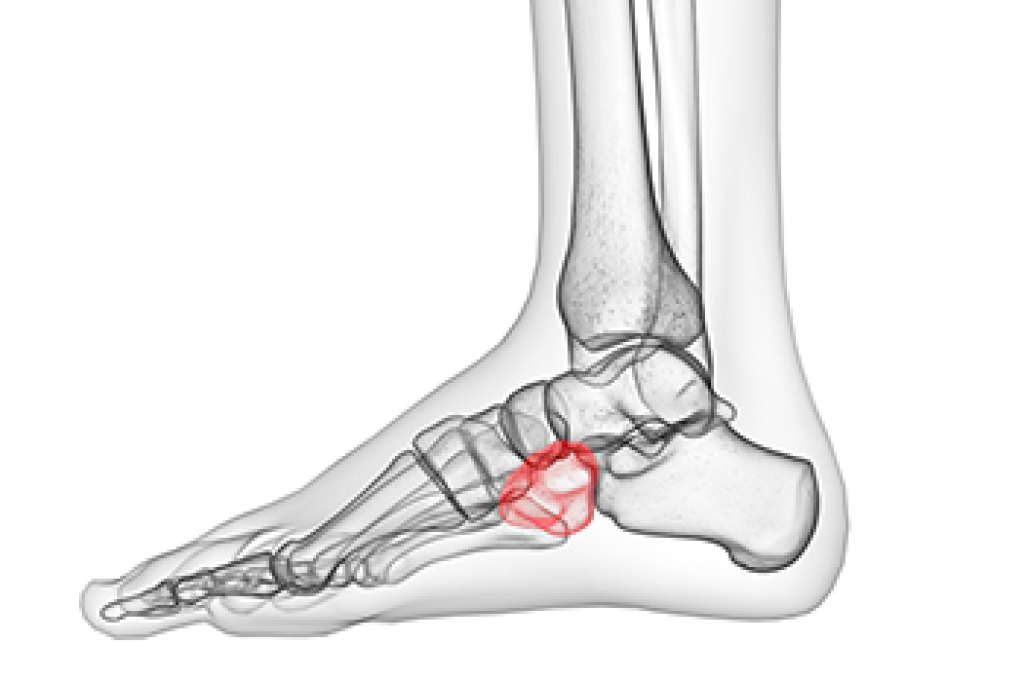
Cuboid syndrome, common among athletes and ballet dancers, occurs when the cuboid bone becomes partially dislocated due to repetitive injury, ankle sprain, or trauma. The cuboid is one of the five bones that make up the midfoot. It is important to the distribution of body weight and the stabilization of the outer midfoot. Cuboid syndrome can lead to difficulty walking. Additionally, some people experience aching pain on the outside of the foot, swelling, and increased pain when pressure is applied to the foot. One may also experience decreased motion, and ankle movement can be painful. A podiatrist’s expertise is needed for diagnosis, since so many of these symptoms mimic those of other afflictions. Treatment includes relocation of the bone, rest, and immobilization with tape, in addition to performing foot exercises for strength and flexibility. If you have troubling discomfort on the outside of the foot, it is suggested that you make an appointment with a podiatrist for a proper exam and care.

Cuboid syndrome, also known as cuboid subluxation, occurs when the joints and ligaments near the cuboid bone in the foot become torn. If you have cuboid syndrome, consult with Mohammad R. Parsa, DPM from Madison Foot Clinic. our doctor will assess your condition and provide you with quality foot and ankle treatment.

Cuboid syndrome is a common cause of lateral foot pain, which is pain on the outside of the foot. The condition may happen suddenly due to an ankle sprain, or it may develop slowly overtime from repetitive tension through the bone and surrounding structures.

Causes

The most common causes of cuboid syndrome include:

  • Injury – The most common cause of this ailment is an ankle sprain.
  • Repetitive Strain – Tension placed through the peroneus longus muscle from repetitive activities such as jumping and running may cause excessive traction on the bone causing it to sublux.
  • Altered Foot Biomechanics – Most people suffering from cuboid subluxation have flat feet.

Symptoms

A common symptom of cuboid syndrome is pain along the outside of the foot which can be felt in the ankle and toes. This pain may create walking difficulties and may cause those with the condition to walk with a limp.

Diagnosis

Diagnosis of cuboid syndrome is often difficult, and it is often misdiagnosed. X-rays, MRIs and CT scans often fail to properly show the cuboid subluxation. Although there isn’t a specific test used to diagnose cuboid syndrome, your podiatrist will usually check if pain is felt while pressing firmly on the cuboid bone of your foot.

Treatment

Just as the range of causes varies widely, so do treatments. Some more common treatments are ice therapy, rest, exercise, taping, and orthotics.

If you have any questions, please feel free to contact our office located in Madison, MS . We offer the newest diagnostic and treatment technologies for all your foot care needs.
Read more about All About Cuboid Syndrome

Essential Foot Protection Tips While Working

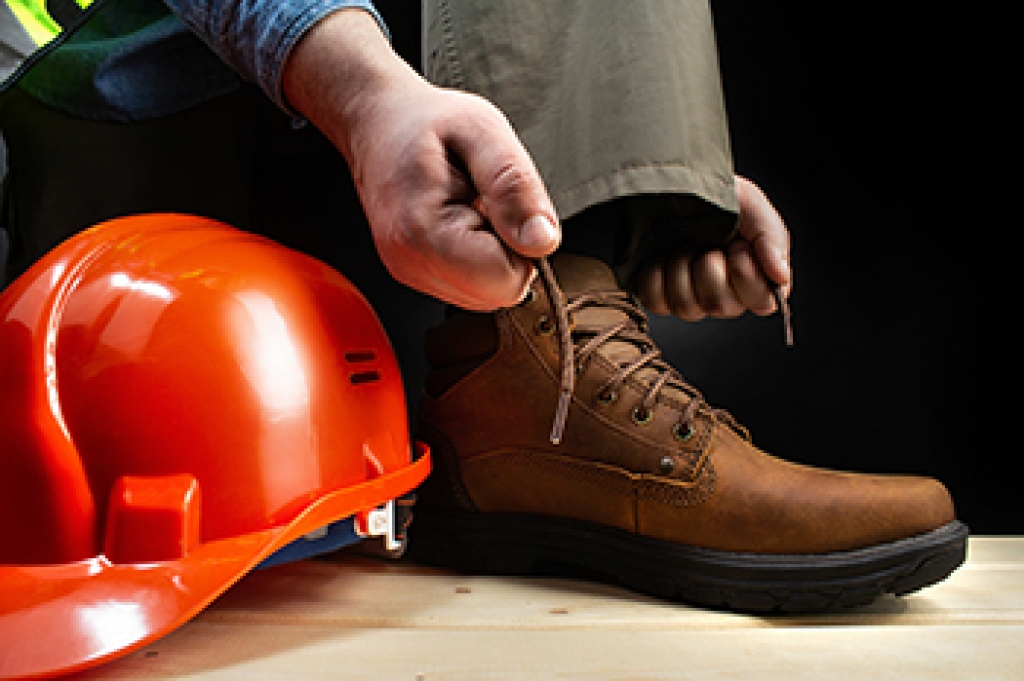
Your feet play a crucial role in your daily activities, especially at work. Whether you're in a physically demanding job or spend hours at a desk, it's essential to prioritize foot protection. It is beneficial to invest in high-quality, sturdy footwear that provides ample support and fits well. Steel-toed boots are essential to wear while working in hazardous environments. Many people choose to wear customized orthotic inserts which can enhance comfort, reduce fatigue, and prevent injuries by providing additional arch support. Additionally, be aware of slippery surfaces, sharp objects, or potential hazards that could lead to accidents. If your job involves standing or walking for long periods, taking regular breaks can help the feet to rest and avoid discomfort. Performing foot and ankle exercises can strengthen the muscles and increase flexibility, reducing the risk of strains and sprains. By prioritizing foot protection, you can maintain your overall well-being and ensure optimal performance throughout your workday. If you would like more information about foot protection during the work day, it is suggested that you consult with a podiatrist who can provide you with useful tips.

While working on the feet, it is important to take the proper care of them. For more information about working on your feet, contact Mohammad R. Parsa, DPM from Madison Foot Clinic. our doctor will treat your foot and ankle needs.

Working on Your Feet

Standing on your feet for long periods of time can cause stress and pain in your feet. Your whole body may experience change in terms of posture, back pain, bunions, callouses and or plantar warts. There are ways to avoid these conditions with proper foot care, smart choices and correct posture.

Positive Changes

Negative heeled shoe – Choosing this shoe type places the heel slightly lower than the ball of the foot. These are great for overall foot health. Find shoes that fit you correctly.

Go barefoot – Our feet were not designed to be enclosed for all hours of the day. Try to periodically expose your feet to air.

Eliminate Pain

Foot Exercises – Performing simple exercises, incorporating yoga and doing stretches are beneficial. This will allow increased blood flow to the area and muscles of the foot.

Achilles tendon – Stretching the foot out flat on the floor will relax the calf muscles and tendon. These exercises can be performed almost anywhere. Make sure you add these exercises to your daily regimen. 

With a little bit of this information and knowing more about foot health, you will notice changes. Foot stretches and proper footwear will help with pain and prevent further issues.

If you have any questions please contact our office located in Madison, MS . We offer the newest diagnostic and treatment technologies for all your foot and ankle needs.

Read more about Working on Your Feet

Certain Medical Conditions May Cause Cracked Heels

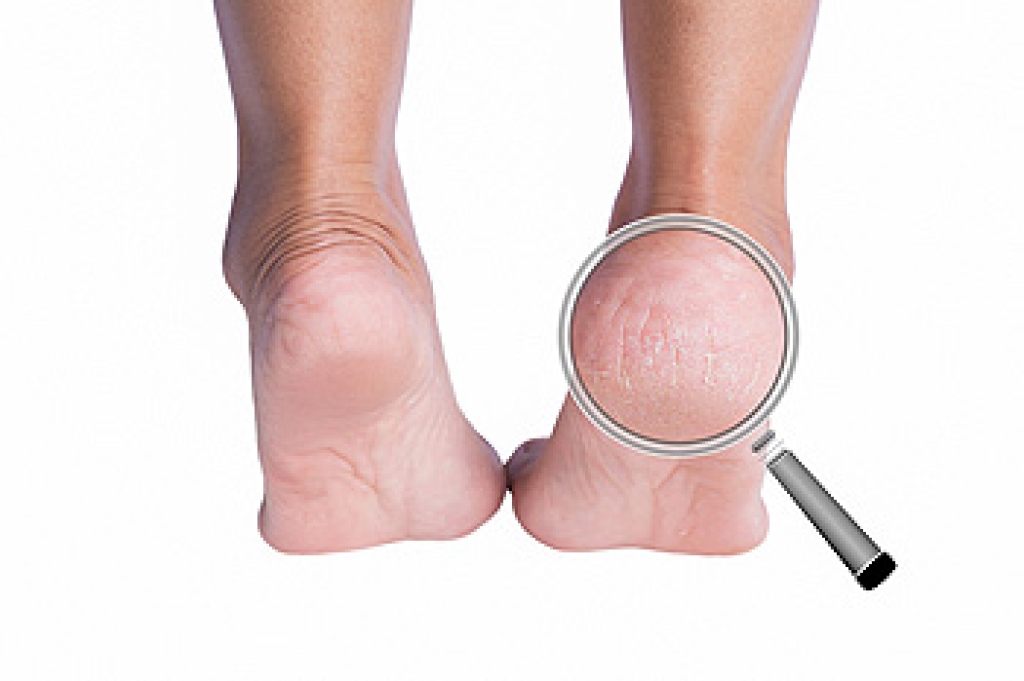
The foot condition that is known as cracked heels affects approximately 20 percent of adults throughout the country. Severely cracked heels are referred to as fissures, and may bleed and become infected. Cracked heels can happen from frequently wearing shoes that have an open back, or from standing on hard surfaces for most of the day. Having the correct knowledge of why this condition develops can be followed by implementing prevention strategies. These can include washing and drying the feet thoroughly, followed by applying a good moisturizer on them. It is helpful to avoid flip-flops when possible, and instead, it is beneficial to choose a shoe that has a cushioned heel. There may be existing medical conditions that may cause cracked heels to develop. These can include thyroid disorders, poor circulation, and elevated glucose levels. If you have cracked heels, it is suggested that you speak with a podiatrist who can offer you correct relief and treatment methods.

Cracked heels are unsightly and can cause further damage to your shoes and feet. If you have any concerns, contact Mohammad R. Parsa, DPM from Madison Foot Clinic. our doctor can provide the care you need to keep you pain-free and on your feet.

Cracked Heels

Cracked heels appear unappealing and can make it harder for you walk around in sandals. Aside from looking unpleasant, cracked heels can also tear stockings, socks, and wear out your shoes. There are several methods to help restore a cracked heel and prevent further damage.

How Do You Get Them?

Dry skin is the number one culprit in creating cracked heels. Many athletes, walkers, joggers, and even swimmers suffer from cracked heels. Age and skin oil production play a role to getting cracked heels as well.

Promote Healing

Over the counter medicines can help, especially for those that need instant relief or who suffer from chronic dry feet.

Wear Socks – Wearing socks with medicated creams helps lock in moisture.

Moisturizers – Applying both day and night will help alleviate dryness which causes cracking.

Pumice Stones – These exfoliate and remove dead skin, which allows for smoother moisturizer application and better absorption into the skin. 

Change in Diet

Eating healthy with a well-balanced diet will give the skin a fresh and radiant look. Your body responds to the kinds of food you ingest. Omega-3 fatty acids and zinc supplements can also revitalize skin tissue.

Most importantly, seek professional help if unsure how to proceed in treating cracked heels. A podiatrist will help you with any questions or information needed. 

If you have any questions, please feel free to contact our office located in Madison, MS . We offer the newest diagnostic and treatment technologies for all your foot care needs.

Read more about Solutions for Cracked Heels

Connect With Us

scroll to top