
Foot Problems in the Elderly Population

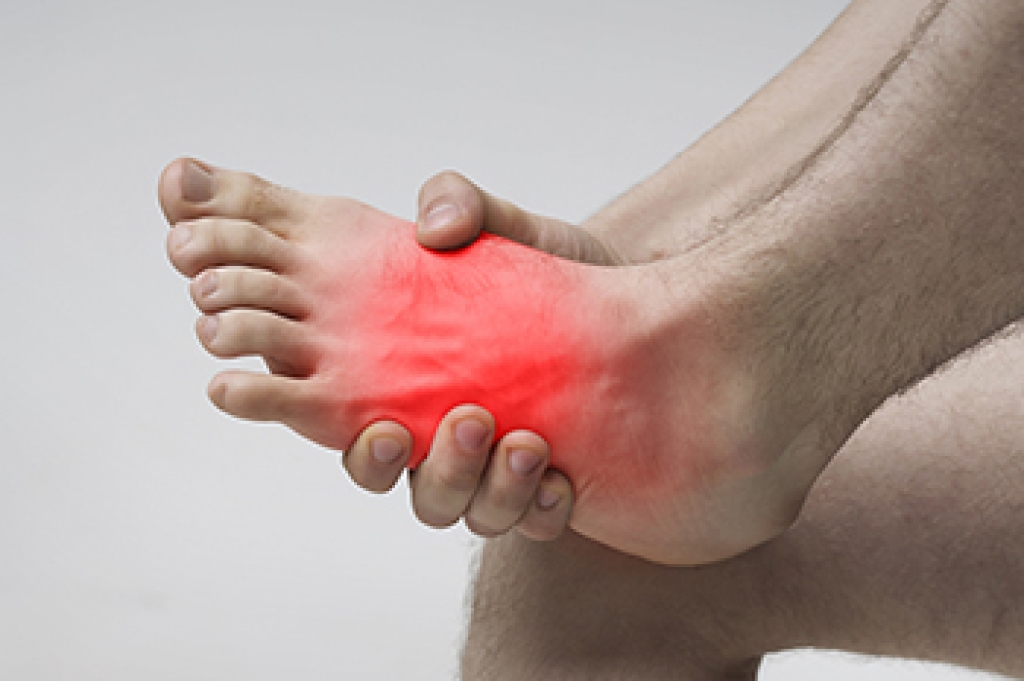
The elderly are more prone to foot problems due to a combination of age-related physical changes, accumulated wear and tear, and other health factors. As people age, the skin becomes thinner, less elastic, and loses its natural oils, making it more susceptible to dryness, cracking, and infections. The fat pads on the bottom of the feet, which provide cushioning, tend to thin out, leading to decreased shock absorption and increased sensitivity to pressure points. Additionally, circulation can diminish, slowing down the healing process and increasing the risk of infections. Over time, joints can become stiff and lose their range of motion due to conditions such as arthritis. Chronic diseases including diabetes can also have significant effects on foot health, increasing vulnerability to nerve damage and poor circulation. Years of bearing body weight and wearing various types of footwear can result in structural changes like bunions, hammertoes, and collapsed arches. If you are elderly or taking care of an older person, it is suggested that you routinely schedule appointments with a podiatrist for examinations and regular foot care.

Proper foot care is something many older adults forget to consider. If you have any concerns about your feet and ankles, contact Mohammad R. Parsa, DPM from Madison Foot Clinic. our doctor can provide the care you need to keep you pain-free and on your feet.

The Elderly and Their Feet

As we age we start to notice many changes in our body, but the elder population may not notice them right away. Medical conditions may prevent the elderly to take notice of their foot health right away. Poor vision is a lead contributor to not taking action for the elderly.

Common Conditions 

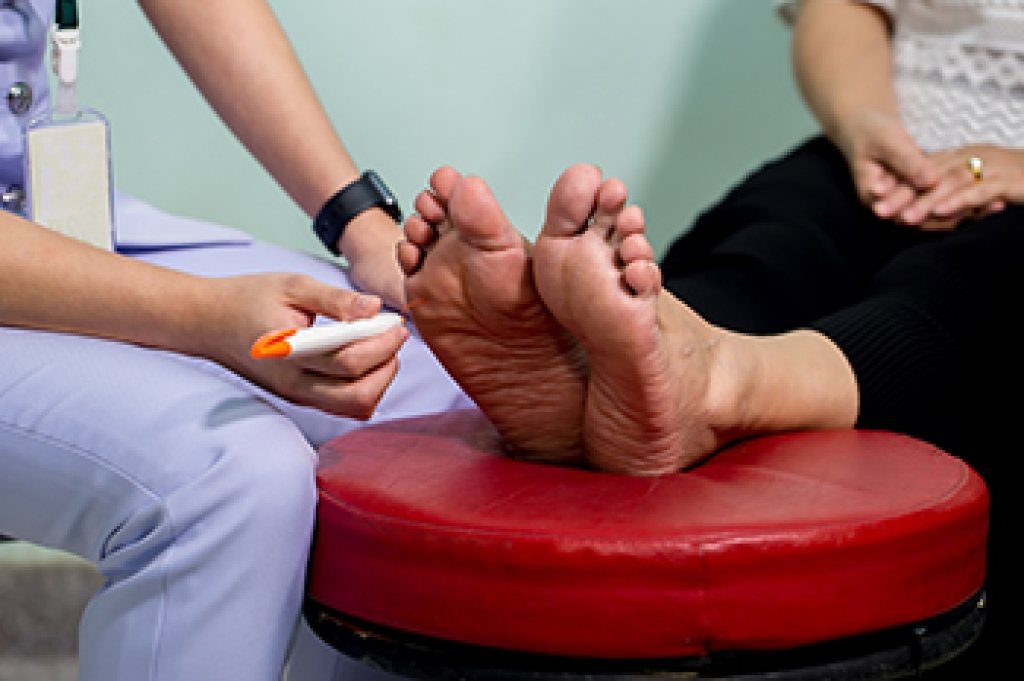
  • Neuropathy – can reduce feeling in the feet and can hide many life-threatening medical conditions.
  • Reduced flexibility – prevents the ability of proper toenail trimming, and foot cleaning. If left untreated, it may lead to further medical issues.
  • Foot sores – amongst the older population can be serious before they are discovered. Some of the problematic conditions they may face are:
  • Gouging toenails affecting nearby toe
  • Shoes that don’t fit properly
  • Pressure sores
  • Loss of circulation in legs & feet
  • Edema & swelling of feet and ankles

Susceptible Infections

Diabetes and poor circulation can cause general loss of sensitivity over the years, turning a simple cut into a serious issue.

If you have any questions, please feel free to contact our office located in Madison, MS . We offer the newest diagnostic and treatment technologies for all your foot care needs.
Read more about Elderly and their Feet

Causes of Foot Stress Fractures

Foot stress fractures, though they can happen to anyone, often have identifiable causes and risk factors. One of the leading causes of stress fractures is a sudden increase in activity. This increase can encompass frequency, duration, or intensity. It is particularly common among athletes pushing their boundaries, like marathon runners who ramp up their mileage too quickly. Changing the surface upon which you exercise is another factor to consider. Transitioning from a soft, forgiving surface like an indoor track or turf to a harsh, unforgiving one like a concrete sidewalk can place undue stress on the bones of your feet. Improper technique is a hidden enemy, as it can stem from other foot conditions, like blisters or bunions. When people adjust their gait to avoid pain or discomfort, they may inadvertently place extra stress on certain bones in the foot. Footwear matters more than you might think. Ill-fitting, flimsy, stiff, or worn-out shoes can contribute significantly to the development of stress fractures. It's not just athletes who need to be aware because even non-athletes can experience these injuries after walking extensively on uneven terrain, common during vacations. For more information on dealing with foot stress fractures, it is suggested that you make an appointment with a podiatrist. 

Activities where too much pressure is put on the feet can cause stress fractures. To learn more, contact Mohammad R. Parsa, DPM from Madison Foot Clinic. our doctor can provide the care you need to keep your pain free and on your feet.

Dealing with Stress Fractures of the Foot and Ankle

Stress fractures occur in the foot and ankle when muscles in these areas weaken from too much or too little use.  The feet and ankles then lose support when walking or running from the impact of the ground. Since there is no protection, the bones receive the full impact of each step. Stress on the feet can cause cracks to form in the bones, thus creating stress fractures.

What Are Stress Fractures?

Stress fractures occur frequently in individuals whose daily activities cause great impact on the feet and ankles. Stress factors are most common among:

  • Runners                                
  • People affected with Osteoporosis
  • Tennis or basketball players
  • Gymnasts
  • High impact workouts

Symptoms

Pain from the fractures occur in the area of the fractures and can be constant or intermittent. It will often cause sharp or dull pain with swelling and tenderness. Engaging in any kind of activity which involves high impact will aggravate pain.

If you have any questions please contact our office located in Madison, MS . We offer the newest diagnostic and treatment technologies for all your foot and ankle needs.

Read more about Stress Fractures of the Foot and Ankle

Understanding the Condition Called Neuropathy

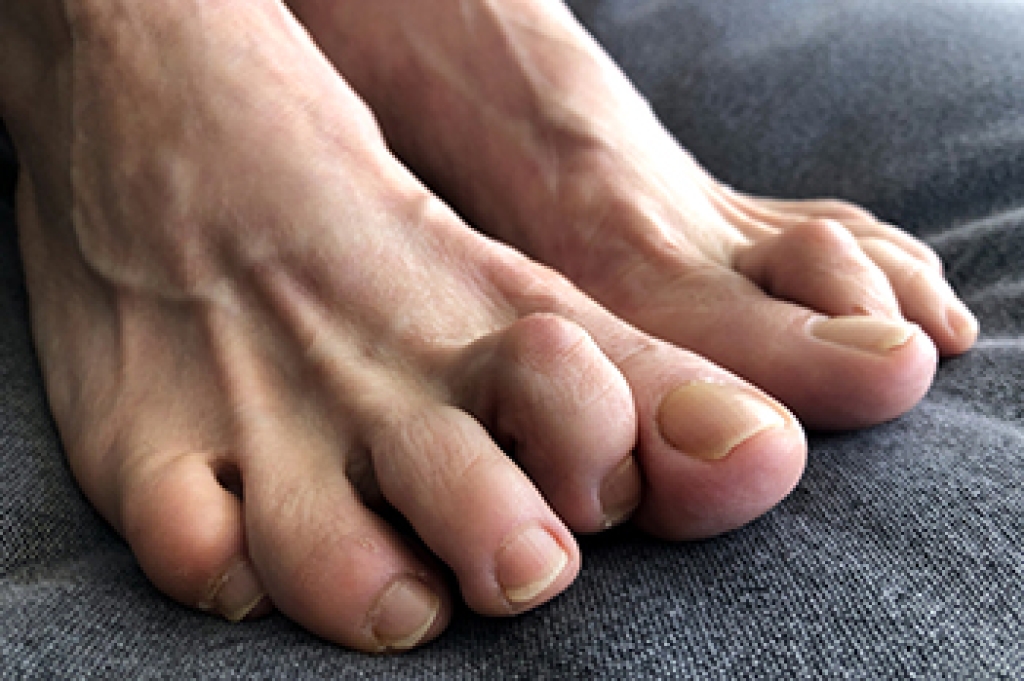
Neuropathy, often referred to as peripheral neuropathy, is a complex and often misunderstood medical condition that affects the peripheral nerves, which are responsible for transmitting signals from the brain and spinal cord to the rest of the body. This disorder disrupts the normal functioning of these nerves, leading to a range of symptoms. Neuropathy can manifest as tingling, burning, or stabbing sensations, often in the hands and feet, but it can affect other areas as well. Numbness, weakness, and muscle atrophy may occur over time. The condition can be caused by various factors, including diabetes, certain medications, and infections, in addition to genetic predispositions. Managing neuropathy involves addressing the underlying cause if known, and alleviating symptoms. Treatments may include medication to manage pain and lifestyle adjustments to prevent further nerve damage. Understanding neuropathy is the first step in seeking appropriate care and support for those affected by this challenging condition. If you are experiencing symptoms of neuropathy, it is suggested that you schedule an appointment with a podiatrist who can accurately diagnose and treat this condition.

Neuropathy

Neuropathy can be a potentially serious condition, especially if it is left undiagnosed. If you have any concerns that you may be experiencing nerve loss in your feet, consult with Mohammad R. Parsa, DPM from Madison Foot Clinic. our doctor will assess your condition and provide you with quality foot and ankle treatment for neuropathy.

What Is Neuropathy?

Neuropathy is a condition that leads to damage to the nerves in the body. Peripheral neuropathy, or neuropathy that affects your peripheral nervous system, usually occurs in the feet. Neuropathy can be triggered by a number of different causes. Such causes include diabetes, infections, cancers, disorders, and toxic substances.

Symptoms of Neuropathy Include:

  • Numbness
  • Sensation loss
  • Prickling and tingling sensations
  • Throbbing, freezing, burning pains
  • Muscle weakness

Those with diabetes are at serious risk due to being unable to feel an ulcer on their feet. Diabetics usually also suffer from poor blood circulation. This can lead to the wound not healing, infections occurring, and the limb may have to be amputated.

Treatment

To treat neuropathy in the foot, podiatrists will first diagnose the cause of the neuropathy. Figuring out the underlying cause of the neuropathy will allow the podiatrist to prescribe the best treatment, whether it be caused by diabetes, toxic substance exposure, infection, etc. If the nerve has not died, then it’s possible that sensation may be able to return to the foot.

Pain medication may be issued for pain. Electrical nerve stimulation can be used to stimulate nerves. If the neuropathy is caused from pressure on the nerves, then surgery may be necessary.

If you have any questions, please feel free to contact our office located in Madison, MS . We offer the newest diagnostic and treatment technologies for all your foot care needs.
Read more about Neuropathy

Managing Hammertoe

If you have ever experienced pain or discomfort or unusual changes in the shape of your toes, you may be dealing with a foot condition known as hammertoe. This deformity occurs when one or more toe joints become bent, resembling the shape of a hammer. Hammertoe can cause other foot conditions, such as calluses or corns where your toe rubs against the inside of the shoe. Symptoms may include pain while wearing shoes, swelling, redness, or difficulty straightening your toe. The good news is that there are effective treatments to alleviate the discomfort caused by hammertoe. Start by choosing footwear with a soft, deep, and roomy toe box to reduce pressure on your toes. Shoe Inserts, cushioning pads, or taping can move the toe and ease the pain. Incorporating simple exercises into your daily routine can also help. Try toe crunches by scrunching a towel with your toes while keeping your heel planted. Or, gently stretch your toes by pulling them toward you using your hands or a towel. In severe cases, a surgical solution may be necessary to release the tendon that is keeping the toe curled up. If you are afflicted with hammertoe, it is suggested that you seek the help of a podiatrist for an exam and treatment options.

Hammertoe

Hammertoes can be a painful condition to live with. For more information, contact Mohammad R. Parsa, DPM from Madison Foot Clinic. our doctor will answer any of your foot- and ankle-related questions.

Hammertoe is a foot deformity that affects the joints of the second, third, fourth, or fifth toes of your feet. It is a painful foot condition in which these toes curl and arch up, which can often lead to pain when wearing footwear.

Symptoms

  • Pain in the affected toes
  • Development of corns or calluses due to friction
  • Inflammation
  • Redness
  • Contracture of the toes

Causes

Genetics – People who are genetically predisposed to hammertoe are often more susceptible

Arthritis – Because arthritis affects the joints in your toes, further deformities stemming from arthritis can occur

Trauma – Direct trauma to the toes could potentially lead to hammertoe

Ill-fitting shoes – Undue pressure on the front of the toes from ill-fitting shoes can potentially lead to the development of hammertoe

Treatment

Orthotics – Custom made inserts can be used to help relieve pressure placed on the toes and therefore relieve some of the pain associated with it

Medications – Oral medications such as anti-inflammatories or NSAIDs could be used to treat the pain and inflammation hammertoes causes. Injections of corticosteroids are also sometimes used

Surgery – In more severe cases where the hammertoes have become more rigid, foot surgery is a potential option

If you have any questions, please feel free to contact our office located in Madison, MS . We offer the newest diagnostic and treatment technologies for all your foot care needs.

Read more about What Are Hammertoes?

Why Live with Pain and Numbness in Your Feet?

Suffering from this type of pain? You may have the foot condition known as Morton's neuroma. Morton's neuroma may develop as a result of ill-fitting footwear and existing foot deformities. We can help.

Connect With Us

scroll to top